


Zach Shewmaker started his legal career defending insurance companies. Today, he represents injured people, bringing that experience to complicated coverage questions and a practice built around earning his clients’ trust.
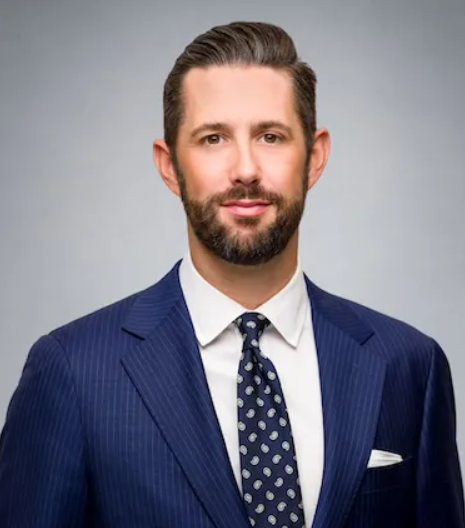
In Episode 10 of the AICA Podcast, Zach joins Alex to talk about his move from insurance defense to personal injury law, the lessons he’s learned in the courtroom, and why clients have his personal cell phone number.
Zach didn’t always picture himself becoming an attorney. Growing up with a judge and a psychologist as parents, he initially imagined a career in professional sports and later considered medicine. His interest in trial work developed through a summer job with a lawyer in Kentucky and his experience on a law school mock trial team. He enjoyed thinking on his feet, making arguments, and talking with people from different backgrounds.
After law school, Zach began working in insurance defense. Over time, he became frustrated with the way people’s injuries could be questioned or minimized. He saw an opportunity to use his experience to help injured people navigate the same process he had worked within from the other side. He moved into personal injury representation in 2013 and later founded Horst Shewmaker with his law partner, Mike Horst, in 2019.
That defense background still comes into play. Zach describes cases where identifying the available insurance coverage becomes a significant part of the work. He and Mike sometimes sit down with a whiteboard to map out policies, coverage questions, and how the pieces fit together. In one case involving three clients, sorting through multiple policies required an especially detailed approach.
When the conversation turns to client relationships, Zach talks about the small choices that help establish trust. He gives clients the same cell phone number his family uses and saves their names in his phone so he knows who is calling. He wants people to feel confident that their attorney knows them and is available to help.
For Zach, a recommendation from a former client is one of the strongest signs that he has done his job well. He explains that his goal is to provide the kind of service someone would feel comfortable recommending to a friend or family member. Those relationships have helped shape how he and Mike have grown their firm.
His advice for young attorneys is equally practical: get comfortable on your feet. Depositions, mediations, oral arguments, and courtroom appearances give newer lawyers opportunities to develop confidence and learn how to respond when a conversation moves beyond their prepared notes. At his firm, that experience comes with guidance and oversight from more experienced attorneys.
Zach also has a clear opinion about respecting people’s time in court. He talks about learning to focus on the questions that matter instead of working through a long list simply because it was prepared. To him, showing respect for a jury’s time means keeping the presentation useful and focused.
For listeners who have been in a car accident, Zach emphasizes documenting the scene and seeking care for injuries. He discusses the value of photographs of the vehicles and property damage, along with medical records that document a provider’s examination and findings. He cautions against trying to tough out an injury without getting it evaluated.
The episode also addresses early settlement offers. Zach shares examples of people who contacted an attorney after accepting money and signing paperwork, only to discover later that they needed more extensive treatment. His concern is that someone may make a decision before understanding the extent of their injuries or the terms of the settlement.
Throughout the conversation, Zach connects the detailed work of handling a case with the personal responsibility of representing someone. Whether he’s sorting through insurance policies or answering a client’s call, he wants people to know who is handling their case and feel comfortable reaching out.
Watch Episode 10 of the AICA Podcast below for the full conversation with Zach Shewmaker.
Watch the Podcast:
Listen to the Recording:
Read the Full Transcript
Alex (00:15): Hi, everyone. Welcome back to the we got your back podcast. I’m Alex, and today we have Zach Shoemaker on here. Zach, go ahead and introduce yourself.
Zach Shewmaker (00:24): Zach Shoemaker, personal injury lawyer, half owner of Horse Shoemaker Injury Lawyers. We founded the firm in 2019. I’ve been a personal injury lawyer since 2013, and I started practicing law in 2006. So 20 years into this, Alex.
Alex (00:41): Wow. Okay, great. So did you know you always wanted to be a PI Attorney? You know, you’re super young, playing on the playground. You’re like, I can’t wait to represent people in car accidents.
Zach Shewmaker (00:51): Yeah. Between baseball games and pickup football games, I was just dreaming of my personal injury trial lawyer experience in the future. No, I don’t think so. I was raised by a judge and a psychologist and always thought I was gonna be a professional baseball player. That professional baseball dream died when all my friends decided they were gonna be soccer players. So I stuck with soccer for a long time. When I was getting into college, thought I was gonna be a doctor, realized I wasn’t smart enough to do that. I had to have a backup plan. It seemed like law school was the easiest thing to get into to keep me from having to go into the real world.
Zach Shewmaker (01:23): So I decided to go to law school and then took a job doing insurance defense work. And then I realized how much money I was paying from the insurers to trial lawyers and decided that trial law seemed to be a much better way to go. So that’s how I ended up here. I think it’s like everything else. I just sort of faked it till I made it, and now I’m sitting here talking to you, which is, you know, the highlight of my day.
Alex (01:44): My highlight too.
Speaker 1 (01:45): Yeah.
Alex (01:46): So did what made you choose PI.
Zach Shewmaker (01:48): I think I saw the opportunity to help people that as an insurance defense lawyer, you realize how often you are treating people’s legitimate injuries cynically, and the whole job became about trying to undersell them and find an angle for taking advantage of whatever situation they found themselves in. So when I did that for years and realized that I was writing checks to people who had legitimate injuries and legitimate treatment and legitimate problems because of a car wreck, I thought that I was probably going to be on the better side of justice if I was helping those people. And I know that a lot of personal injury firms get a bad rep for pushing cases that are not real cases or don’t involve Real injuries.
Zach Shewmaker (02:30): And I thought that I would have an opportunity to weed through some of those and actually select people who deserved to have some type of representation. And so that’s kind of how I ended up here. I was dealing with some plaintiffs lawyers that I saw the way they practice in real as I could easily do that. And so I’d have an opportunity to do it a lot better. And so that’s how I ended up wanting to form my own firm. And I never really wanted to work for anybody else. I thought that if I was going to work for somebody, I’d rather work for myself and bet on myself than someone else.
Alex (02:58): Yeah, absolutely. So in law school, was there anybody who kind of helped pave the way for you, like a mentor? Anybody who kind of helped shape the attorney you are today?
Zach Shewmaker (03:09): Not really. In law school, I. So my dad. Well, all my family’s from Kentucky. I grew up in Kentucky. When I was a rising junior in college, I worked for a summer in Louisville, Kentucky, and I worked for a trial lawyer there who kind of did a little bit of everything. He did criminal defense work, mainly like capital type cases, so you’re talking about murders, major drug deals, stuff like that. And he did some personal injury work, and then he did some unique litigation work. And so I was basically just a summer clerk. I didn’t know what I was doing, but I showed up there thinking I was going to go to law school, worked for him, was studying for the lsat, and I kind of got some exposure to all sorts of things.
Zach Shewmaker (03:52): But the most interesting stuff for me was the personal injury side. And that was the. He had a lot of keep the lights on work. But the personal injury stuff was not. That was, you know, we’re buying a house type work. And so I think when I saw the profitability margin and the opportunity to help families in need, that combination felt a little bit better. So that sort of informed my decision making. As I went through law school, I realized I like a good fight. I like the litigation aspect of stuff. I was never going to be a white collar, you know, billable hour lawyer. I wasn’t going to have that in me, at least not long term. So I don’t think any real law school experience did that.
Zach Shewmaker (04:31): I really liked being on the mock trial team, so I knew that I liked being in and out of a courtroom. Oral argument, document prep, briefing research, that stuff. And so that combination of experiences, I think, led me down a path where I was more likely to be a trial lawyer than anything else. And I realized my skill set of thinking on my feet, arguing and trying to talk to different people, different walks of life, really catered me and guided me towards trial work.
Alex (05:01): Awesome. So, okay, I love, I love a trial attorney. Tell me what is. Okay, I have two questions. First question, what would be your advice for a young attorney that is going to trial?
Zach Shewmaker (05:13): For a young attorney going to trial, I think the major thing you want to do is you want to be ready to sit in front of a jury, and you can practice as much as you want, but if you’re not comfortable standing up in front of 12 or 13 strangers, answering questions for a judge and being willing to think on your feet, you’re not going to be ready. So I think the main thing is get comfortable. However you need arguing your case, whether that’s oral argument, you have to be comfortable being on your feet. If you’re not comfortable doing that, no jury, no judge is going to believe you. So we have a young lawyer. She’s now been practicing a year. So she graduated in May of 2025 from law school.
Zach Shewmaker (05:55): And what we’ve done is we have just handed her a whole bunch of lower risk, lower value cases and said, just file them. Do all the depositions, do all the mediations, do the oral arguments, go to magistrate court if you need to, but just get as much on your feet experience as possible because that’s where you gain the confidence of, hey, look, the law is part of it, but sounding like you know what you’re talking about is more important than anything else. So I think learn to get comfortable on your feet. That’s going to be the most important thing.
Alex (06:25): Okay, that’s great advice. What is your biggest pet peeve in trial?
Zach Shewmaker (06:30): I think the biggest pet peeve is wasted time. We as trial lawyers want to make the promise to a jury that we’re going to get them in and out quickly. And while we do appreciate a juror’s time, you can only say that so many times before you can’t prove it. So, and I’m not sure that’s the best way to say it, but, like, if you’re going to tell a juror that you appreciate their time, do the things that show appreciation. So don’t ask a whole bunch of unnecessary questions of your witness. One of the things that we as young lawyers like to do is sound like we know what we’re doing. So we want to ask a million questions.
Zach Shewmaker (07:02): We want to sit there with our binder of questions or now our iPad notes of questions and ask every single question because we want to feel Important. And I’ve kind of realized over the years that if I take an hour long deposition or a 90 minute deposition, there’s probably five to 10 questions in there that actually matter and the rest of it doesn’t. It’s all superfluous. Where you went to high school, how many times you’ve been married, whether or not you’ve ever been arrested, all that stuff.
Speaker 1 (07:26): Yeah.
Zach Shewmaker (07:26): You think you’re asking questions that matter, but you’re not really. For us, in a car wreck case, there’s probably five to 10 questions that matter in any deposition. So everything else is either a setup or a come down for those important questions. So I think the number one thing is don’t waste time. Treat everyone’s time as if it matters because you want people to treat you as if your time matters. Right. So if you do that for the jury, you’re far more likely to gain credibility with them. You’re far more likely to gain credibility with the judge and thus more likely to make the difference on the margins that can make the difference in your case.
Alex (07:58): Awesome. Okay, great. Yeah. Don’t waste my time.
Zach Shewmaker (08:00): I love that. Well, I’ve already wasted some of your time today, Alex.
Alex (08:04): Oh, no, you’re fine.
Zach Shewmaker (08:05): I know. I pre apologize for that, but.
Alex (08:08): Okay, so what would you say is your favorite thing about being an attorney and your least favorite thing about being an attorney?
Zach Shewmaker (08:15): I think the least favorite thing about being a lawyer is the easiest thing to answer. The least favorite thing about being a personal injury trial lawyer is you get lumped in with everybody else who has a billboard. Right. We get. You’re. I mean, the McDonald’s case is, is the most. Is the perfect example of this. Everybody thinks that the McDonald’s case, where. Not even sure if you’re familiar with.
Alex (08:34): It, but the coffee.
Zach Shewmaker (08:35): Here’s it. Yeah. The coffee case.
Alex (08:37): Yes.
Zach Shewmaker (08:37): And in the coffee case, people don’t understand the actual nuance of that, that the coffee was handed to somebody that was so hot that it, it was unreasonably hot in that it burned so much of the skin. Right. That’s not how hot coffee is supposed to be. So the case wasn’t about, hey, you’re an idiot. You were served hot coffee and you spilled it on yourself. You’re saying that even if you spill coffee on yourself, it’s not supposed to burn your skin that bad. And that’s the unreasonable part of that. The, the narrative is. And it all happened with tort reform last year, and it’s been happening every year in the General assembly in Georgia, the narrative is we are blood sucking lawyers.
Zach Shewmaker (09:12): We are out here and every case is a minor rear end collision case. We’re claiming that you have surgical needs and that is fraud being associated with that day in and day out and looking, being looked at as if you are some type of bloodsucker that’s, you know, an ambulance chaser. That’s the worst part about it. You know, you kind of get pigeonholed as the bottom of the totem pole on actual legal work. I think the best part about it is the freedom. You know, we work from case to case. We’re not adherent to a single set of clients. You know, when I was doing injury work on the defense side, you know, you had to cater to 5 or 10 primary insurance defense clients. You had to cut your bill all the time.
Zach Shewmaker (09:52): You were expected not to bill for this amount of time or that amount of time or this travel or that travel. On our end, anybody that walks through the door could be your client. So if you, Alex came in to be my client, I want to work your case as well, whether it is big or small as I possibly can. Because then you might know three other Alexes that you could refer to me. I think earning a client is the best part about my job. I can earn a relationship with that client and build a case that is also going to build me a business. One case is not going to retire me.
Zach Shewmaker (10:24): I know that I need multiple clients in order for my firm to continue to function and for me to continue to be able to put food on the table for mine. So I think the freedom of knowing that one client is not going to make or break your practice or make or break your equity within a firm.
Speaker 1 (10:38): Is not going to.
Zach Shewmaker (10:39): That’s, that’s the real value. It gives you an opportunity to work with the freedom of knowing, hey, I may lose this one case, but I’ve got six or seven more behind it and I’m going to work all of them equally well, knowing that most of the time it’s going to pay off.
Alex (10:52): Yeah, absolutely. I love that I, I think word of mouth is the best way to get a client at this point. Someone trusted you enough in the first place, you did a good enough job and now they’re referring somebody over. I mean, it’s sad that that many people are hurt and need attorneys, but, you know, it’s always a great thing.
Zach Shewmaker (11:09): It is. I think I’ve always told my clients that my job as a, as a lawyer is not to, it’s not to make myself money. It’s to do such a good job that you would recommend me to other people. And if you trust me throughout the case, and I start trying to build that trust at the very beginning, all my clients get my cell phone number. All my. And that’s the same cell phone that my wife calls me on. My kids call me on. What? That’s the same cell phone number. I start earning that trust from day one. And I think that if you treat your clients well, they’re going to recommend you to other people. And if they recommend you to other people, those people didn’t recommend you to other people.
Zach Shewmaker (11:45): It’s organic growth. There’s only so many firms in the world that can compete online with the. With the billboard lawyers that are out there that we see day in and day out because they’ve got private equity backing, they have so much money that they can buy up all the ad space physically. And on the Internet, you can’t compete with that. So our way of competing is by earning the trust of clients so that they come to us. And I do think there’s a great satisfaction in that. And I tell all my clients, the highest compliment that I can get is that you put my name in somebody else’s phone. That’s the biggest. That’s the highest compliment I can get because it means you trusted me enough to recommend me to somebody else.
Zach Shewmaker (12:23): And my nightmare is for you to not trust me so that the next case, you won’t send it to me.
Alex (12:29): Right, Right. Well, I think that everybody appreciates a lawyer that actually cares like that and is not a burn and churn, you know, get you in, get you out. Oh, I. There’s a lot of who you are. Yeah, you know, I, you know, I’m calling and they’re like, I’m sorry, is that our client? That’s not. That’s not what everyone is looking at.
Zach Shewmaker (12:47): I don’t remember your name. You know, I try. When I sign a case up, I immediately put the client’s phone number in my phone with their name so that as soon as it calls, I can pick up the phone and go, oh, hey, Ms. Warren. It’s nice to hear from you. Or how can I help you today? And they don’t think, oh, am I actually. Do you actually know that I’m your client? Who am I talking with? Are you the lawyer they never have to wonder about? Right. And that establishes a lawyer client relationship that’s actually important so that in the future, they can hand my cell phone number to somebody that they see that needs help.
Alex (13:19): Yeah. They can just bump phones because technology is like that now.
Zach Shewmaker (13:22): Yeah, I think that’s what all the kids do. I’m still not sure you. I think I’ve now gotten a range. Where? Yeah, I’ll just ask ChatGPT. I’m sure it’ll figure it out.
Alex (13:31): Oh, me and chat?
Zach Shewmaker (13:32): Yeah.
Alex (13:33): I’ve been using them since the day they were in beta. I am a chat girl.
Zach Shewmaker (13:38): It’s starting to take over my life, you know, tracking prices on flights. You’re tracking prices on a coffee maker. And then you start asking it, like, how do I respond to this? How do I respond to this email that I got? I don’t even know what they’re talking about. Or how do I set my parameters on my outlook so that I stop getting all these spam messages?
Alex (13:57): You know, I’m like, can you sound more empathetic? You’re, like, a little bit more aggressive.
Zach Shewmaker (14:03): Stop trying to be proper. I need you to be a jerk.
Alex (14:06): Yeah, no periods. I just want this to be a run on sentence so they know how mad I am.
Zach Shewmaker (14:10): Yes, that’s exactly right. Yeah. Never break stride. No capitalization, just straight through.
Alex (14:16): Exactly. So I wanted to ask you, I ask everybody, what is your craziest case that you’ve ever had?
Zach Shewmaker (14:23): I’ve had some. I. I’ve had some wild cases. One of them that comes to mind was actually a real, like, tragic case. I had a young woman who moved to Atlanta, or I guess metro Atlanta, and she and her husband moved here. They’re affiliated with the church. They moved here to be a part of the church. If I remember correctly, your husband was a pastor. And when they were buying a house, they needed some extra money, so she started working for Rover. I’m not sure if you know what Rover is, but it’s basically like, you know, dog sitters for hire. No, different. Like, it’s like Uber for dog sitters. So she went in to meet these dogs and met with the person.
Zach Shewmaker (15:03): Leaves, comes back the next day to actually feed the dogs on stuff. And she. The dogs had to be fed separately. And so she’s feeding one of them and one of them jumps up and, like, it grabs the bottom of her face and pulls the bottom cord of her face off. And that was one of those cases where, you know, they were. So they didn’t even call a lawyer when it happened. They. A friend, a client of ours, went to the same church and said, you should call Zach. Find out whether you got any options. That was a pretty wild case because you’re trying to deal with homeowners insurance. You’re trying to deal with the liabilities. You’re dealing with whether or not Rover has any coverage for these types of people.
Zach Shewmaker (15:38): You know, I was an insurance defense lawyer, so some of our most complicated cases are actually just insurance issues. My law partner and I still have a big whiteboard in our conference room where when we get stuck on an issue, we sit down and like, kind of create a full whiteboard session on it. And we had one years ago where there were so many under uninsured or underinsured motorist policies, limited liability coverage. And we were trying to figure out the distribution of all the coverages and who could get coverage from whom. And that took us forever. But we ended up maximizing the recovery for this client and, well, these three clients. And one of those happened to be somebody whose brother ended up meeting us again and ended up as one of our largest cases.
Zach Shewmaker (16:18): You know, so we’ve kind of got some of these interesting cases where the immediate payoff is not the biggest, but it’s the. It’s the downstream effect of representing those people.
Alex (16:28): Right. I can’t imagine having my face. I mean, I’ve been bit by many. A dog spot.
Zach Shewmaker (16:32): Yeah. I mean, it was. I’ve seen some pretty bad photos. This, the one that I got was so it was really jarring. I will always remember that photo.
Alex (16:44): Yeah. I have friends now who will send me pictures of, like, their injuries and stuff like that. And I’m like, you guys, I’m not.
Zach Shewmaker (16:50): That’s not what I’m into. Yeah. Yeah.
Alex (16:53): Stop sending me these. I don’t care about your stitches.
Zach Shewmaker (16:55): Yeah, I don’t. I don’t need to know. I don’t even know. Just tell me. You know, some things just are better. Better left. Just said rather than seen.
Alex (17:02): Yeah. So you do car accidents, dog bites, Anything else?
Zach Shewmaker (17:07): We’re primarily car accidents. So my law partner and I were trucking defense lawyers for years and years, mainly catastrophic excess insurance defense stuff. So we’re pretty familiar. And we did insurance coverage work. So we primarily do car wrecks. I bet you I don’t run the numbers. Maybe 85 to 90% of what we do is car wrecks, road wrecks of some sort of that, you know, some trucking work, motorcycle cases, bicycle cases, Uber, you know, Uber and Lyft. And then the other 10% is sort of made up of one off dog. Dog bite cases, some food poisoning cases. Those are very really rare. Cause they’re difficult to prove.
Alex (17:44): I didn’t know you could do that. I Had food poisoning last month.
Zach Shewmaker (17:48): Yeah, well, if you got a hospital visit, where are your people? If you just were at home sick, then we don’t want to deal with that. And we certainly don’t need any photographic evidence and then that’s kind of it. We don’t touch workers compensation. That’s outside of our practice. But it’s primarily road wrecks and some slip and fall.
Alex (18:07): Okay.
Zach Shewmaker (18:08): The slip and fall world is difficult. Premises cases are difficult. I would bet you of the slip and fall cases you sign, 50% are going to get thrown out on summary judgment. So they’re already a high risk proposition. But we take some if the injuries are severe enough.
Alex (18:23): Yeah. Okay.
Zach Shewmaker (18:24): But primarily car wrecks.
Alex (18:26): So you said it’s you and a partner and then you mentioned a young attorney as well. Tell me about the dynamic in your office. Who’s there?
Zach Shewmaker (18:34): I’ve got a law partner, Mike Horst. He was my senior associate when I got out of law school. So we worked together. I mean we’ve been friends now since I gotta law school, so 20 years. And then we’ve got a. I think he’s an eight year lawyer and valedictorian of law school class. He’s been working with us for a few years. He kind of has his own practice within our practice. But you know, he, he’s excellent. And then we have a, I guess she’s now a second year but she was a first year forever and she graduated from law school last May and she is primarily litigation. Trial by fire, come in. We’re going to throw all, all sorts of cases with you. We’re going to let you run with them.
Zach Shewmaker (19:11): We’ll oversee you and manage you. So we’ve got those four lawyers and they’ve total and they’re great. Mike and I are primarily the oversight on the firm. So I manage mainly our pre litigation department. Mike manages primarily our business and our litigation departments. And together we’ve got a pretty good thing going. We’ve just kind of been slowly building up and up. It just started as, you know, two of us, you know, years and years ago and we’ve kind of built it on from there. We’ve just tried to say what we mean and mean what we say. And we found that that’s created healthy relationships within the industry and we try and capitalize on that and build the business every week, every day.
Alex (19:52): That’s awesome. I love that. So I’m from ika, obviously, so we know that providers are such an important thing for you guys. What would you tell somebody if they got into a car accident right now, what they should do.
Zach Shewmaker (20:06): The first thing, well, if you’re sitting on the side of the road, make sure you take photos of your car and the other car. If it’s a two car wreck, make sure you’ve got the property damage. Those photos are going to come back to bite you. Or they can be the death knell in a case for you. They can hammer it home with the insurance company. The second thing is get treatment immediately. I always think that legitimate injuries get legitimate medical care. So, you know, go to the emergency room, go to an urgent care, go wherever you need to make sure that you get the treatment you need. The sooner you document your injury, the more likely it is that a jury would believe you’re actually injured.
Zach Shewmaker (20:42): Too many people think that they need to tough it out or that the insurance company is just going to pay for all their medical bills. And there are so many misconceptions about what it means to be involved in a car wreck that just being involved in a car wreck doesn’t entitle you to money. That’s how it works.
Alex (20:58): Wait, that’s what the billboards say it is.
Zach Shewmaker (21:00): You know, we can, we can get you a million dollars even if you weren’t hurt. I think the most important thing is if you’re actually hurt, go get treatment. And if you’re not, don’t call a lawyer. You know, don’t try and manufacture a case. The moment you try to manufacture a case, you’re already playing from behind. You’re going to lose. People sniff it out. And if, if we catch wind of it early on, we don’t, we don’t handle the case. We’re not going to do it. I don’t want to perpetuate a fraud on an insurance company or on a trial on a jury. So we, I would always advise you document the scene and make sure you document your injuries if you have any.
Alex (21:32): Perfect. Okay. I love that. Yeah. Go to the doctor, people. Go to the doctor.
Speaker 1 (21:37): Yep.
Zach Shewmaker (21:37): It’s, it’s pretty important. If you don’t, you don’t have medical records that evidence an actual injury. And if you are the sole source of information about your medical treatment, very few jurors are going to believe you because you’re the one that’s also sitting there asking for money.
Speaker 1 (21:52): You.
Zach Shewmaker (21:52): And as your trial lawyer sitting next to you, I’m less believable because I’m sitting there asking for money. So you’ve got to do the things that if you’ve got a doctor saying, yeah, I treated this person, I did the physical exam, I put hands on this person. They showed injuries. And here’s how I know. That’s a lot more verifiable information than if you’re the one that’s just in there. Relay. Relaying that information to a jury.
Alex (22:15): Yeah, absolutely. I think people have, like we were saying in the very beginning, a general misconception of what personal injury attorneys are and what they’re doing and what they’re trying to do for somebody who has been hurt. You know, there is. Before I got into PI, I didn’t really understand it at all. I was like, why do I need a lawyer? I have insurance that I’m paying every month. They’re going to do it for me because they love me. You know,.
Zach Shewmaker (22:42): That is, I think the biggest misconception is why we have a job. People think that we have a job because we’re blood suckers, and we have a job because car insurance companies won’t do the right thing. If car insurance companies did the right thing, I would be out of a job. And if they would just say, okay, yeah, you’re involved in a car wreck, we’re responsible for that, and we are not going to try to force you into a settlement. We would be out of a job in a Hartford. But too often, and it works. There’s a reason that State Farm has an entire campus built in Atlanta. There’s a reason that Progressive is sponsoring SEC football games. They capitalize on 90% of the cases that never get to a lawyer.
Zach Shewmaker (23:23): And they are convincing people with legitimate injuries to take low amounts of money to sell their case to the insurance company before it could get big. And so you have all these clients that call us. They’re like, Yeah, I took $5,000 from State Farm and they promised me $10,000 in medical bills. But now I need a surgery. How do I need to sue them? It’s like, well, you took the money, you signed the paper. You do not have any options. And there are far more of those that happen that we never learn about than the cases we get. So if that’s happening, nine times out of 10, we’re really only getting a call. Or we, as personal injury lawyers are only getting a call on one out of every 10 cases.
Zach Shewmaker (24:05): The other nine are already profitable for these insurance companies.
Alex (24:09): Well, because the insurance is calling immediately. My sister was in a car accident this year, and I was helping her find an attorney. I was, you know, like, here is a list of people that I trust, but this is on you to pick one. And she was like, they won’t stop calling me. They call me like every couple of hours, offering me money on a voicemail. And I was like, call them back even though we haven’t picked an attorney yet and say I have representation and they will reach out to you. Please stop calling me.
Zach Shewmaker (24:36): We’ll wire you this money. All you gotta do is sign this document and it’s. That’s what they’re paid to do, you know, that’s what those adjusters are paid to do is try and get a case resolved within the first three to five days before somebody might be advised to contact an attorney.
Alex (24:50): Yeah, exactly. And you know, you also are being courted by a Nigerian prince somewhere who’s also going to wire you a million dollars as well.
Zach Shewmaker (24:57): Yeah, you never know. Just. Just respond to one of the text messages. You’ll be on the email chain forever, you know.
Alex (25:02): Yes, exactly. Well, I really appreciate you hanging out with me and chatting with me. Is there anything else that you would like to say to our listeners before.
Zach Shewmaker (25:12): No, I think that if any of your listeners are ever in need of a car wreck injury lawyer, just call me. You know, you’re going to get me on the phone. My firm is going to provide a personal service for you. Your personal injury is personal to us, and we’re going to make sure that we treat it that way from the beginning to end.
Alex (25:28): Awesome. All right, well, thank you so much for coming on today. And again, everybody know that Ika has your back. Have a good one.
Zach Shewmaker (25:36): Thanks, Alex. Appreciate it.
Alex (25:37): Thank you.
Zach Shewmaker (25:38): All right,.
(25:41): That’s it for today’s episode of the AICA podcast. We’ll be back soon with more insights. Until then, we got your back.
Interested in Being a Guest on The AICA Podcast?
Submit your information if you are interested in being on The AICA Podcast.