Skip to content
Orthopedic Surgery in Atlanta

Orthopedic Surgery in Atlanta

Find the Best Orthopedic Surgery Near You

Trusted Orthopedic Surgery Center in Atlanta

At AICA Orthopedics, we provide expert orthopedic surgery and care for a wide range of spine and joint conditions, from osteoarthritis and scoliosis to sports injuries and everyday joint pain. Our orthopedic specialists take a personalized approach, using advanced in-house diagnostics to find the root cause of your discomfort rather than just treating the symptom. With surgeons, imaging, and rehabilitation together under one roof across multiple Metro Atlanta locations, expert care stays close to home when you search for orthopedic surgery near you.

We build every treatment plan around the individual instead of applying a one-size-fits-all fix, and we recommend surgery only when it’s the right step for your recovery. Whether you need a straightforward procedure or a complex reconstruction, AICA is your orthopedic surgery center for the full journey: diagnosis, surgery, and the rehabilitation that follows.

Meet AICA's Orthopedic Surgery Team

Our orthopedic surgeons specialize in musculoskeletal injuries in the bones, joints, ligaments, tendons, and muscles, whether the cause is a car accident, a sports injury, or years of wear. Many focus on a specific area of the body, so you’re matched with a surgeon who works on your kind of injury day in and day out:

Alongside them, our neurologists and neurosurgeons address the brain and nervous system when those are the source of your pain or limited mobility. Because these specialists share a single care plan, you get a precise diagnosis and coordinated treatment instead of a stack of referrals. Everything from a torn ligament to a long-standing nerve problem is handled by experts who focus on your specific condition.

Orthopedic doctors and surgeons specialize in musculoskeletal injuries that occur in the bones, joints, ligaments, tendons and muscles after an auto accident. Neurologists and neurosurgeons are doctors who address problems with the brain and nervous system that cause pain or limited mobility. AICA’s experienced neurologists, neurosurgeons, and orthopedic specialists can precisely diagnose and treat various injuries or conditions that affect your quality of life. Get treatment for everything from musculoskeletal injuries to long standing neurological disorders and always feel confident that you’re in expert hands.

What Is Orthopedic Surgery?

Orthopedic surgery treats injuries and disorders of the musculoskeletal system, which is made up of your bones, joints, ligaments, tendons, and muscles. These are the structures that let you move, and when one of them is damaged by an injury, worn down by a degenerative disease like arthritis, or affected by a condition you were born with, everyday activities can become painful or difficult.

The goal of orthopedic surgery is straightforward: repair the damage, restore movement, relieve pain, and get you back to living your life. Surgery is often the last step, not the first. An orthopedic surgeon is trained to treat most conditions without an operation, using options like physical therapy, medication, injections, and bracing, and turns to surgery when those approaches no longer provide relief or when the injury clearly requires a repair. At AICA Orthopedics, our orthopedic surgeons, neurologists, and rehabilitation specialists work together on one plan so your care stays connected from your first appointment through your recovery.

Signs You May Need to See an Orthopedic Surgeon

Most orthopedic problems improve without surgery, but a few signs mean it’s worth having a specialist take a closer look. Consider a consultation if you’re experiencing:

  • Chronic pain that hasn’t responded to conservative care. Pain that lingers for weeks or months despite rest, medication, physical therapy, or injections often points to structural damage that needs a direct repair.
  • Limited range of motion or joint stiffness. Trouble bending, straightening, or rotating a joint can signal cartilage loss, arthritis, or a soft-tissue injury.
  • Persistent swelling or inflammation. Swelling that keeps returning to the same joint may indicate an underlying tear or ongoing joint damage.
  • Difficulty with everyday activities. When pain interferes with walking, climbing stairs, lifting, or your job, it’s affecting more than just comfort.
  • Joint instability or weakness. A knee that buckles or a shoulder that slips out of place often means a ligament isn’t doing its job.
  • Severe pain after an injury. Intense pain, visible deformity, or the inability to put weight on a limb after a fall or accident should be evaluated promptly.

Even if this sounds like you, surgery isn’t a foregone conclusion. (Unsure whether you need a surgeon or an orthopedic doctor? Here’s the difference between the two.)

Common Spine and Joint Conditions We Treat

Joint and spine pain are among the most common reasons patients come to AICA Orthopedics. Whatever the cause, whether an injury, a degenerative disease, or an inflammatory condition, ongoing pain can take over your daily life. Joint pain can affect the knees, shoulders, hips, ankles, and hands, while spine problems often follow a car accident or build up over years of strain. Because the spine and major joints drive so much of how you move, getting them evaluated early helps prevent bigger problems down the road.

Conditions our orthopedic surgeons commonly treat include:

  • Osteoarthritis: the “wear-and-tear” form of arthritis, where cartilage breaks down over time and leaves bones rubbing together, causing pain and stiffness.
  • Rheumatoid arthritis: an autoimmune disorder in which the body attacks its own joints, leading to inflammation, swelling, and discomfort.
  • Bursitis: inflammation of the small fluid-filled sacs that cushion your joints, often causing localized pain and swelling.
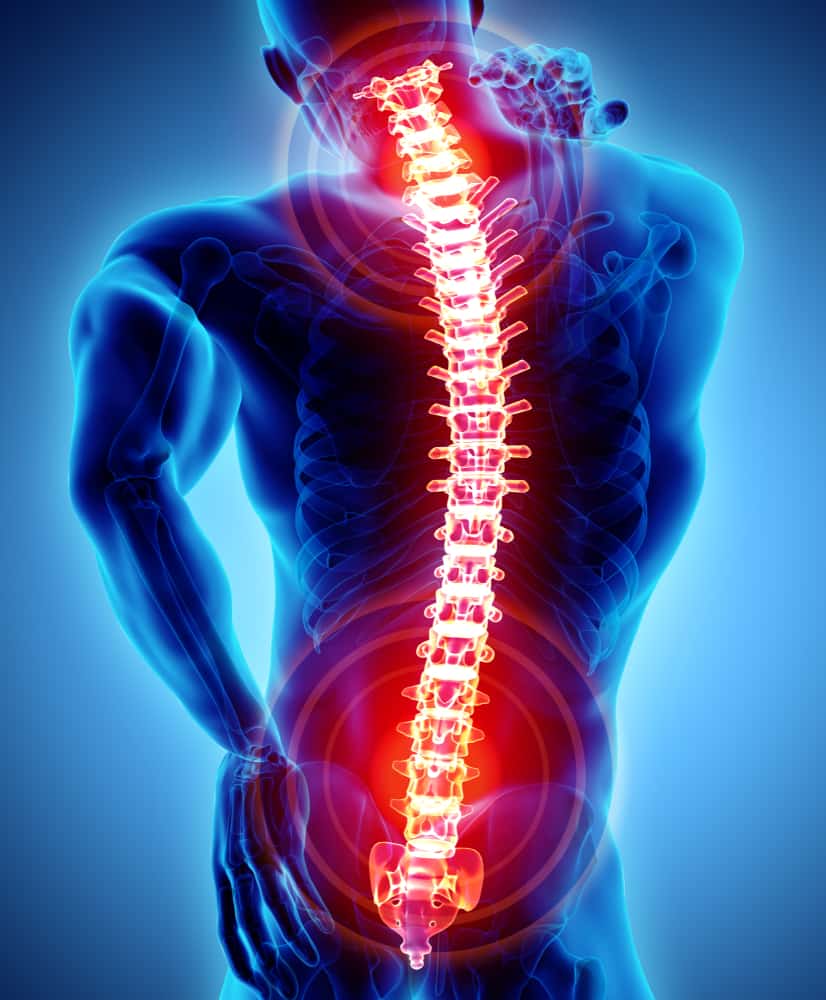
  • Scoliosis: an abnormal sideways curve of the spine that can affect posture, movement, and, in some cases, breathing.
  • Degenerative disc disease: the gradual breakdown of the cushioning discs between your vertebrae, a frequent source of chronic back and neck pain.
  • Herniated discs: when the soft center of a spinal disc pushes through its outer wall and presses on nearby nerves, causing pain, numbness, or weakness. (More on disc herniation.)
  • Sciatica: sharp, radiating pain down the leg caused by pressure on the sciatic nerve, often linked to a herniated disc.
  • Spinal stenosis: a narrowing of the spinal canal that compresses the nerves, leading to pain, tingling, or trouble walking.

Same Day Appointments Available Schedule Today
Start Your Recovery!

How AICA’s In-House Imaging Guides Your Diagnosis

An accurate treatment plan starts with an accurate picture, and AICA takes that picture on site, so you get faster answers without waiting on referrals to an outside facility. Once the diagnosis is clear, our orthopedic surgeons move ahead with a targeted plan built around your goals. Here’s how each tool guides your care:

X-Ray

These provide a detailed look at bones and joints, helping doctors identify fractures, arthritis, and other structural abnormalities. X-rays are often the first step in diagnosing orthopedic conditions and determining the best course of treatment. Learn More about X-Ray

MRI

Magnetic Resonance Imaging (MRI) produces high-resolution images of soft tissues such as muscles, ligaments, and cartilage. This diagnostic tool is commonly used to detect injuries like ligament tears, herniated discs, and inflammation that may not appear on X-rays. Learn More about MRI

CT Scan

Computed Tomography (CT) scans create detailed cross-sectional images of bones and soft tissues, offering a clearer picture of complex fractures and joint issues. CT scans are often used to plan surgical procedures with greater precision. Learn More about CT Scan

EMG Testing

Electromyography (EMG) measures the electrical activity of muscles and nerves, helping to diagnose conditions such as nerve compression, muscle disorders, and nerve injuries that may contribute to pain and weakness. Learn More about EMG

Non-Surgical Orthopedic Treatment AICA Tries First

Most orthopedic problems improve without an operation, and we start there whenever the injury allows:

  • Physical therapy to rebuild strength, flexibility, and range of motion
  • Anti-inflammatory medication to reduce pain and swelling
  • Corticosteroid or joint injections for more targeted relief
  • Bracing or activity changes to protect the joint while it heals
  • Non-surgical spine care and pain management for disc, nerve, and chronic pain conditions

When those steps stop producing progress, or the injury clearly requires a repair, we walk you through the surgical options that fit your diagnosis.

Types of Orthopedic Surgery We Offer

Orthopedic surgery covers a wide range of procedures, from quick, minimally invasive repairs to full joint reconstructions. Your surgeon will always recommend the least invasive option that fixes the underlying problem. Here are the procedures we most often perform.

Joint Replacement Surgery

When arthritis or an injury wears a joint down beyond repair, joint replacement removes the damaged surface and replaces it with a durable implant, most commonly in the knee, hip, or shoulder. Replacements can be partial or total depending on how much of the joint is affected, and many are now done with minimally invasive techniques. The result is usually a dramatic reduction in pain and a return to activities that had become difficult, with recovery guided by physical therapy over several weeks to months.

Arthroscopy

Arthroscopy is a minimally invasive procedure in which the surgeon inserts a small camera, called an arthroscope, through a tiny incision to see inside a joint and repair it with equally small instruments. It’s commonly used on the knee, shoulder, hip, and ankle to treat cartilage damage, a torn meniscus, or a torn rotator cuff. Because the incisions are so small, most arthroscopic procedures are outpatient and come with a shorter, more comfortable recovery than traditional open surgery.

Spinal Surgery

Spinal surgery addresses problems like herniated discs, spinal stenosis, and nerve compression that cause back pain, sciatica, numbness, or weakness. Depending on the diagnosis, that may mean relieving pressure on a nerve, removing damaged disc material, or stabilizing part of the spine. Many spine procedures can now be done using minimally invasive approaches that spare surrounding muscle and speed up recovery. Our surgeons only recommend spine surgery after conservative options have been fully explored.

Fracture and Trauma Repair

A broken bone from a car accident, fall, or sports injury sometimes needs more than a cast to heal correctly. Fracture and trauma repair realigns the broken bone and holds it in place with plates, screws, or pins so it can heal in the proper position, restoring strength and function to the limb.

Ligament and Tendon Repair

Torn soft tissue, such as an ACL or MCL, meniscus, or rotator cuff, often needs surgical repair or reconstruction to restore stability, especially for active people and athletes. Many of these repairs are done arthroscopically, which means smaller incisions and a faster path back to movement.

Minimally Invasive Surgery

Across many of these procedures, minimally invasive techniques use smaller incisions and cause less disruption to the surrounding muscle and tissue. For patients, that typically means less pain, a lower risk of complications, a shorter hospital stay, and a quicker return to daily life. Where a minimally invasive approach is a safe option for your condition, it’s the one we’ll recommend.

What to Expect During Orthopedic Surgery at AICA

Your journey begins with a consultation, where an orthopedic specialist reviews your history, examines the injury, and uses in-house imaging to pinpoint exactly what’s wrong. From there, you and your surgeon discuss your options in plain language, including whether surgery is truly necessary or whether a non-surgical route makes more sense.

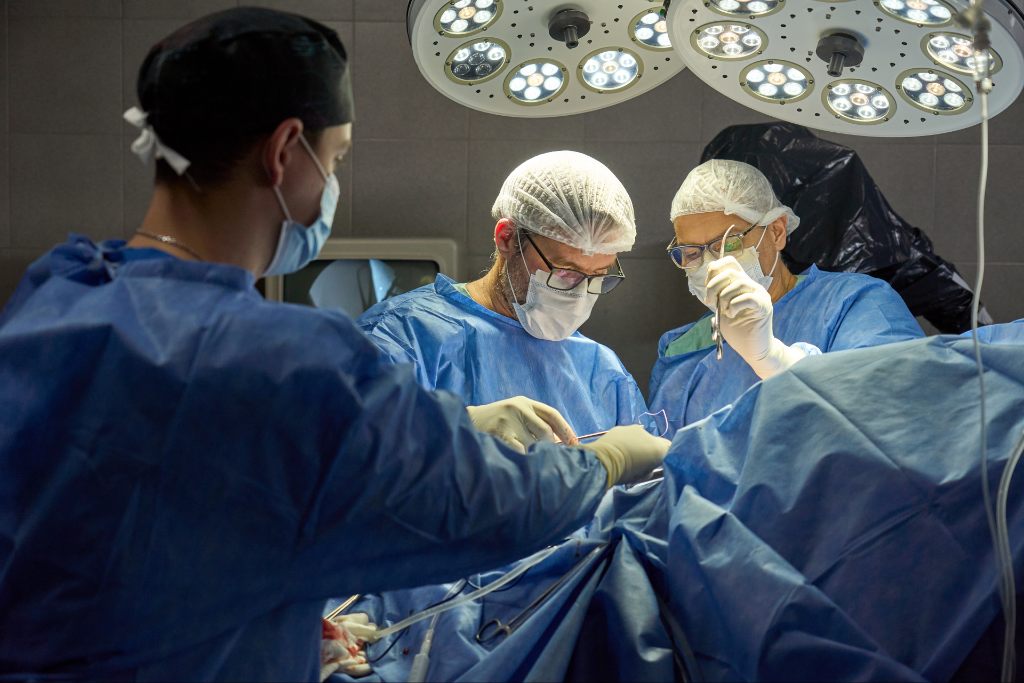
If surgery is the right call, our team walks you through every stage so nothing feels uncertain: the pre-operative preparation, the procedure itself, and the post-operative care that follows. Many orthopedic procedures are performed on an outpatient basis, meaning you go home the same day and recover in your own bed, while larger operations such as some joint replacements may involve a short overnight stay. Once surgery is done, our physical therapists build a recovery plan to rebuild your strength and mobility safely, and your surgeon follows your progress at every step.

How to Prepare for Orthopedic Surgery

A little preparation goes a long way toward a smooth surgery and recovery. Before your procedure:

  • Complete any required evaluations and lab tests. These help your surgical and anesthesia teams confirm you’re ready and plan for a safe procedure.
  • Follow your pre-surgery diet and medication guidelines. You may be asked to stop eating the night before or to pause certain medications and supplements. Your care team will give you specific instructions.
  • Arrange transportation and help at home. Plan for someone to drive you home and, for the first day or two, to help around the house while you rest.
  • Pack the essentials if an overnight stay is needed. Bring comfortable clothing, any assistive devices you use, your medication list, and personal items to keep you comfortable.

If anything about your procedure or recovery is unclear, your AICA care team is available to answer questions before the day of surgery.

For patients injured in an accident that wasn’t their fault, eligible care often comes with no out-of-pocket cost, because AICA bills the claim, not you.

Why Atlanta Chooses AICA for Orthopedic Surgery

At AICA, orthopedic surgeons, neurologists, physical therapists, and pain management specialists work in the same practice, so your diagnosis, imaging, surgery, and rehabilitation run as one process instead of a chain of referrals. For patients hurt in a car accident, we document the injury thoroughly for your records and your claim. That coordinated care is backed by more than 15,000 verified Google reviews, same-day appointments, 24/7 doctor access, and multiple Metro Atlanta locations.

Find an Orthopedic Surgeon by Specialty

Why Does My Back Hurt After a Car Accident
Treatment Options for Delayed Shoulder Pain After a Car Accident
Which Parts of the Spine are Most Vulnerable in an Accident
Does My Hand or Wrist Injury Require Immediate Care
Finding The Right Wrist Doctor Makes A World of Difference
Elbow Injury Treatment In Atlanta
traumatic brain injury
5 Incredible Benefits of Pediatric Chiropractic Care
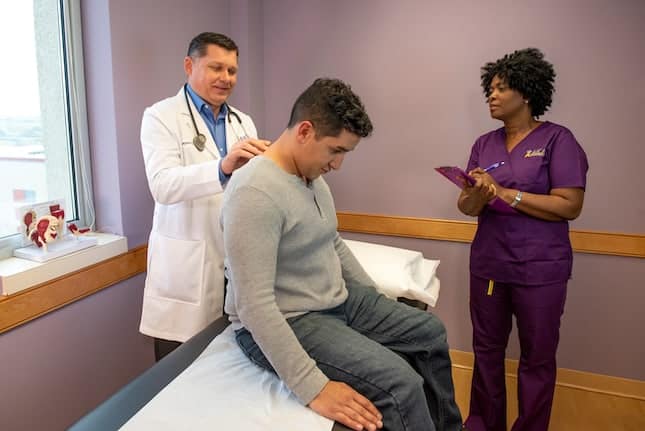
AICA doctor and nurse examining patient back and neck injury on table

Orthopedic Surgery FAQ

Start Your Recovery With AICA Orthopedics

If joint or spine pain is limiting how you move, the first step is an accurate diagnosis and a clear answer on whether surgery is even necessary. If you’re looking for the best orthopedic surgery near you, schedule a consultation today or call (404) 855-2141, and take the first step toward a pain-free life.

Same Day Appointments Available Schedule Today
Start Your Recovery!

22

Atlanta Locations

Orthopedic Surgery Reviews

16,018 Reviews from our Amazing patients

The ladies at Aica are very helpful and nice, I really enjoyed my visits to the office personally I’m going to refer friends in the near future.
Marco Starr
College Park, GA

Was referred here by a friend but have been coming here after a recent accident and the service is always professional and the staff is absolutely the best. I would definitely recommend this place to anyone that has chiropractic needs.

Amir Simmons
Snellville, GA
Paulette Morris
Paulette Morris
College Park, GA
Great service and treatment.
Chicolla Berry
College Park, GA
Great Service
Florence Daniels
College Park, GA
Great staff!!
Lysa Moore
College Park, GA
I had a wonderful experience at orthopedics in college park. Staff and Dr.were great!!!
Bridgtte Cook
College Park, GA
Great Facility
Kyra Williams
College Park, GA