What Is MUA?
Manipulation Under Anesthesia combines controlled stretching, soft-tissue techniques, and joint manipulation while the patient is under monitored sedation.
The sedation helps reduce muscle guarding and resistance, allowing the provider to work with restricted joints and soft tissues more effectively than may be possible during traditional in-office treatment.
The goal is to improve mobility, restore function, and help move recovery forward.
Why Is MUA Performed?
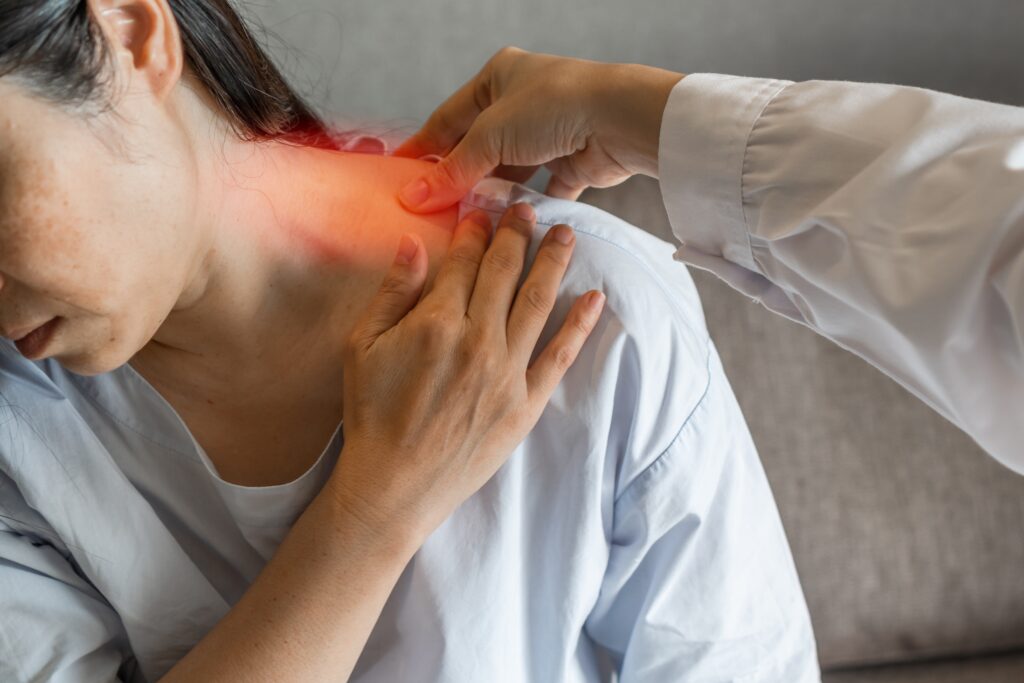
After an accident or injury, damage to muscles, ligaments, tendons, and other soft tissues can cause pain and restricted movement.
As the body heals, scar tissue and ongoing muscle guarding may contribute to continued stiffness and mobility limitations. While many patients improve with conservative care, some continue to experience symptoms despite treatment.
For these patients, MUA may be considered as a next step in care.
Who May Be a Candidate for MUA?
MUA may be considered for patients experiencing:
- Persistent neck or back pain
- Limited range of motion
- Ongoing stiffness or muscle spasms
- Restricted joint movement
- Soft-tissue restrictions
- Continued symptoms despite conservative treatment
Every patient is different. An evaluation is necessary to determine whether MUA is appropriate for your condition.
What Happens During MUA?
During the procedure, medication is administered by a licensed anesthesia provider and the patient is continuously monitored.
Once the muscles are relaxed, the treating provider uses controlled stretching, manipulation, and soft-tissue techniques to address areas of restricted movement.
What Happens After MUA?
Rehabilitation after MUA is an important part of maintaining improved movement and continuing the recovery process.
Depending on the patient’s needs, follow-up care may include physical therapy, chiropractic care, stretching, therapeutic exercise, and strengthening.
Is MUA Right for You?
If pain, stiffness, or limited movement continues even after conservative treatment, it may be time to explore another approach.
At AICA Orthopedics, our team can evaluate your symptoms and determine whether MUA may be an appropriate next step in your recovery.
Restore movement. Improve function. Keep recovery moving forward.
Schedule an appointment with AICA Orthopedics today.