Foot and Ankle Surgery in Atlanta
Find the Best Foot Surgery Near You
Foot and Ankle Surgery Near You at AICA Orthopedics
Every step puts your full body weight through your foot and ankle. An injury here shows up fast in how you walk, work, and sleep. At AICA Orthopedics, we diagnose and treat the full range of foot and ankle problems, from fractures and torn ligaments to bunions, arthritis, and chronic heel pain. Most of what we see never reaches an operating room. When it does, our orthopedic surgeons choose the procedure that rebuilds the joint with the least disruption to your life. Same-day appointments are available at clinics across multiple Metro Atlanta.
Meet AICA’s Foot and Ankle Specialists
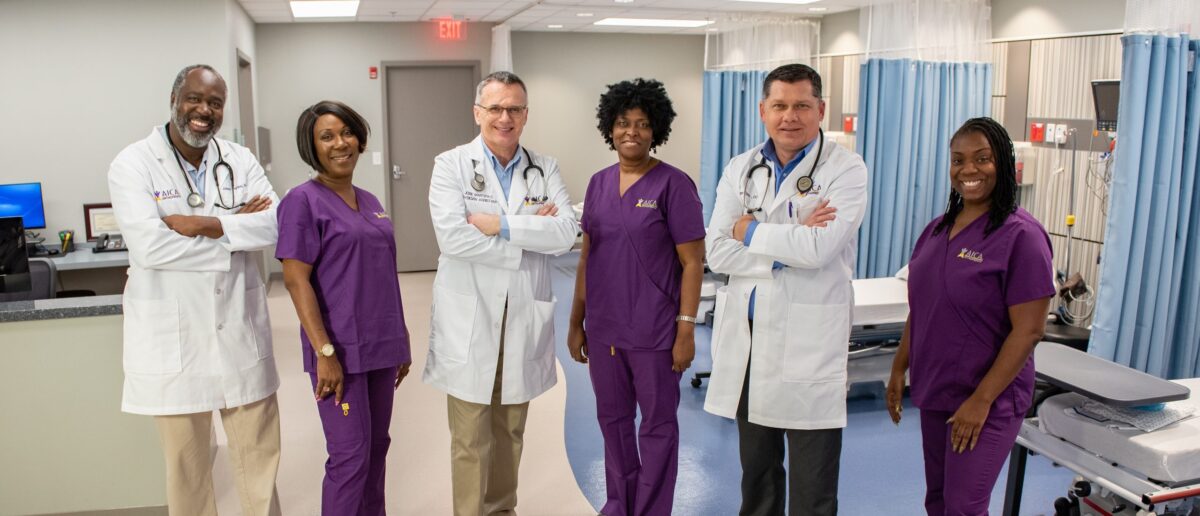
A foot or ankle injury usually involves more than one structure, so your care draws on several specialists working from a single plan:
- Our orthopedic surgeons diagnose and repair the bones, tendons, and ligaments, and operate when it is necessary.
- Our physical therapists rebuild strength, balance, and gait before and after surgery, which is the difference between a repair that holds and one that does not.
- Our neurologists evaluate nerve pain, numbness, and weakness, whether it starts in the foot or travels down from the spine.
- Our pain management specialists keep pain controlled during recovery so you can progress through therapy.
AICA’s team includes board-certified surgeons and neurosurgeons among 60+ doctors across specialties, which means the specialist your diagnosis calls for is already in the practice.
How Foot Injuries Affect Your Knees, Hips, and Back
Each foot contains 26 bones, 33 joints, and more than 100 muscles, tendons, and ligaments. The ankle adds a hinge that has to stay mobile and stable at the same time while carrying your weight. Damage one ligament, or let a fracture heal a few millimeters out of position, and the whole structure loads differently.
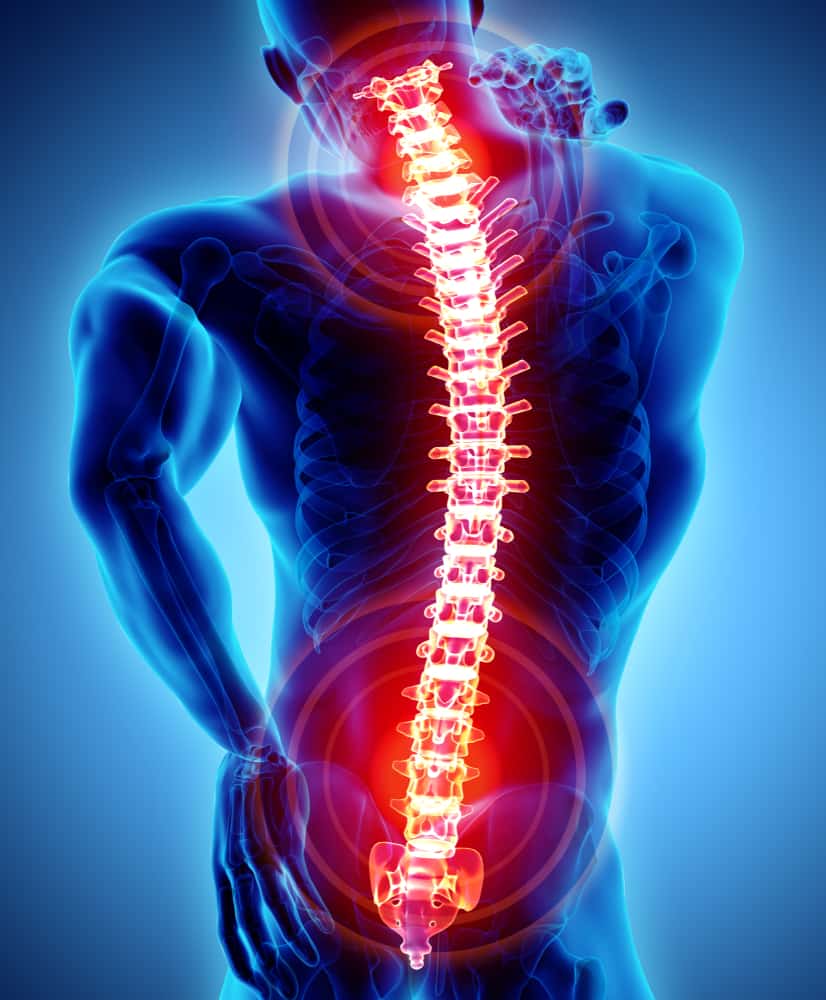
A changed gait pushes force through your knee, hip, and lower back in ways they were not built to absorb, which is how a foot problem left alone becomes a back problem months later. Repairing the damaged part is only half the job. The other half is restoring the alignment that lets you walk normally again.
When Foot & Ankle Surgery Becomes the Right Option
Surgery is not the first step, and for most patients it is never a step at all. It enters the conversation in three situations:
- Structural damage that will not heal correctly on its own, such as a fracture or dislocation that has shifted the bones out of position. Waiting here makes the repair harder, not easier.
- Conservative care that has run its course. Most foot and ankle problems get a full trial of immobilization, therapy, orthotics, and injections first. When months of that produce no lasting change, the question shifts from whether the tissue will heal to whether it can.
- Loss of function. An ankle that gives way without warning, or pain that has shortened how far you can walk, tends to compound. Each episode of instability stretches the ligaments a little further.
An evaluation is not a commitment to an operation. It is how you find out which of the three applies to you, if any.
Food & Ankle Conditions We Treat
AICA’s orthopedic specialists diagnose and repair the full range of foot and ankle injuries:
- Ankle fractures and foot fractures, from stress fractures to complete breaks
- Torn or stretched ankle ligaments and chronic ankle instability
- Achilles tendon tears and tendonitis
- Plantar fasciitis and chronic heel pain
- Bunions, hammertoes, and other structural deformities
- Arthritis of the ankle, midfoot, or big toe joint
- Bone spurs and loose fragments inside the joint
- Nerve compression, including tarsal tunnel syndrome and Morton’s neuroma
- Flatfoot and posterior tibial tendon dysfunction
Non-Surgical Treatment Options for Foot & Ankle Pain
Most foot and ankle pain resolves without an operation, and we start there whenever the injury allows. Conservative options include:
- Immobilization in a boot, brace, or cast to protect the joint while it heals
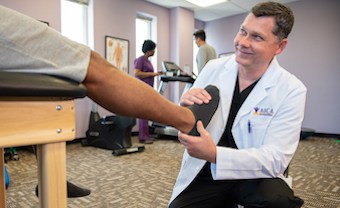
- Physical therapy to rebuild strength, balance, and range of motion
- Custom orthotics and footwear changes that redistribute pressure
- Anti-inflammatory medication to reduce swelling and pain
- Corticosteroid injections for stubborn joint or tendon inflammation
- Activity modification while the tissue recovers
When those steps stop producing progress, or the damage is too severe to heal on its own, we walk you through the surgical options that fit your diagnosis.
How AICA Diagnoses Foot and Ankle Injuries
Small misalignments matter in a joint this compact, so an accurate picture comes first. We scan on site, which means no outside referral and no waiting between appointments. Our diagnostic tools include:
X-Ray
MRI
CT Scan
EMG Testing
Types of Foot and Ankle Surgery We Perform
The procedure depends on which structure is damaged and how severe the injury is. Many repairs are done through small incisions, which usually means less pain and a shorter recovery. More extensive damage calls for open surgery.
- Ankle Arthroscopy: A pencil-thin camera and small instruments enter through tiny incisions to remove loose fragments and bone spurs, repair cartilage, and clear scar tissue. Most patients return to light activity within a few weeks.
- Ankle Fracture Surgery: A broken ankle that has shifted out of place needs plates, screws, or pins to hold the fragments in alignment. A fracture that heals slightly off changes how you bear weight for years.
- Ankle Replacement Surgery: When arthritis has destroyed the joint, artificial components replace the damaged ends of the tibia and talus. A replacement keeps the joint moving where a fusion locks it.
- Ankle Ligament Reconstruction: Repeated sprains stretch the outer ankle ligaments until they no longer hold the joint stable. Tightening or rebuilding them, sometimes with a graft, stops the ankle from giving way.
- Achilles Tendon Repair: A torn Achilles is reattached so the tendon can transmit force from calf to heel again. Recovery moves in stages from immobilization to weight bearing to strengthening.
- Bunion Surgery: A bunionectomy repositions the bone at the base of the big toe rather than shaving the bump, so the toe sits straight and shoes fit without pain.
- Hammertoe Correction: Releasing or transferring the tendon holding the toe down lets it straighten. Stiffer cases need a small section of bone removed or the joint fused.
- Morton’s Neuroma Surgery: A thickened nerve between the metatarsal heads causes burning pain and the feeling of walking on a pebble. Surgery removes the thickened section or releases the ligament compressing it.
- Plantar Fascia Release: Releasing part of the plantar fascia relieves the tension causing heel pain. This is a last resort, since most plantar fasciitis improves with therapy, orthotics, and stretching.
- Foot and Ankle Fusion: Fusion joins two or more bones so arthritic surfaces no longer rub, trading some motion for durable pain relief. It is also part of flatfoot reconstruction, which rebuilds a collapsed arch by repositioning bone and repairing the posterior tibial tendon.
What to Expect on the Day of Surgery
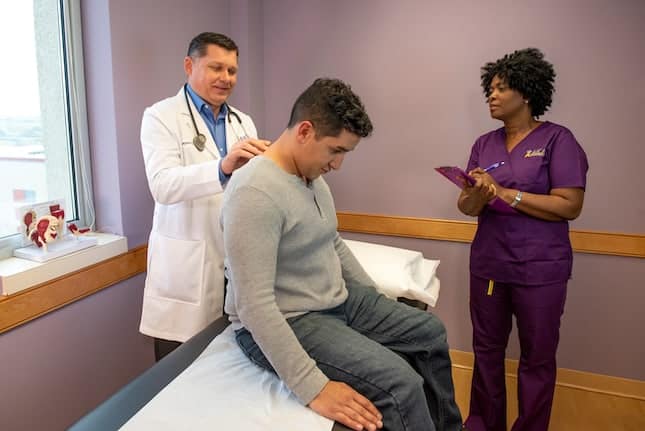
Your care starts with a consultation where an orthopedic specialist reviews your imaging, explains what is damaged, and walks through every option before scheduling anything. Many of these procedures are outpatient, meaning you go home the same day. Depending on the repair, you may be under general anesthesia or a regional block that numbs the leg. Your surgeon explains the benefits, the recovery timeline, and the risks up front, so the decision stays yours.
How to Prepare for Your Procedure
Because you will be off the foot for a period afterward, preparation matters more here than with most surgeries:
- Complete any required lab work and medical evaluations
- Follow instructions on which medications to pause or continue
- Arrange a ride home and help with daily tasks for the first weeks
- Practice with crutches, a knee scooter, or a walker before the day of surgery
- Clear walkways, move essentials to one floor, and set up a spot where you can elevate the leg
- Follow eating and drinking guidelines for the hours before surgery
Foot & Ankle Surgery Recovery and Rehabilitation
Recovery here is measured in weight bearing. Most procedures start with a period of staying off the foot entirely, move to partial weight in a boot, and end with a return to full weight and normal shoes. Moving through those stages faster than your surgeon clears is the most common reason a sound repair fails. General timelines by procedure:
- Ankle arthroscopy: light activity within a few weeks
- Bunion or hammertoe surgery: protected weight bearing for several weeks, with swelling settling over months
- Ankle fracture repair: several weeks to months, depending on the break
- Achilles repair: a staged return over several months
- Ankle replacement or fusion: several months of therapy to reach full function
Physical therapy is central to all of it. Our physical therapists guide you through exercises that rebuild range of motion, strength, and balance while protecting the repair, and coordinate directly with your surgeon so your progress is tracked from the operating room to your last appointment.
For patients injured in an accident that wasn’t their fault, eligible care often comes with no out-of-pocket cost, because AICA bills the claim, not you. Transportation is available if you cannot drive, which matters when you are not cleared to put weight on the foot.
Key Benefits for Personal Injury Patients
No Costs Out-of-Pocket
Transport Available
Doctors Available 24/7
All Imaging In-house
Same Day Appointment
Some Insurance Accepted
Se Habla Espańol
Why Atlanta Trusts AICA for Orthopedic Surgery
Orthopedic surgeons, physical therapists, pain management specialists, and neurologists work in the same practice at AICA, so your diagnosis, surgery, and rehabilitation run as one process instead of a chain of referrals. For patients hurt in a car accident, we document the injury thoroughly for your records and your claim. That care is backed by more than 15,000 verified Google reviews, 24/7 doctor access, and multiple Metro Atlanta locations.
Find an Orthopedic Surgeon by Specialty
Foot and Ankle Surgery FAQ
Start Your Recovery With AICA Orthopedics
If foot pain, ankle instability, or a recent injury is changing how you walk, the first step is finding out whether surgery is even necessary. Our Atlanta orthopedic team will diagnose the cause with on-site imaging and recommend the least invasive path back to full weight bearing. Schedule a consultation today or call (404) 855-2141.