What makes a great trial lawyer? For attorney Steven Leibel, it comes down to preparation, persistence, curiosity, and a genuine commitment to the people you represent.
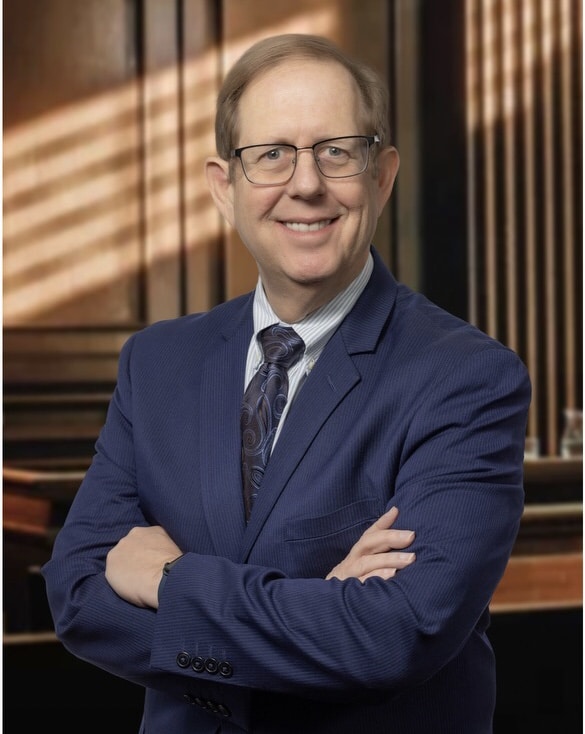
In Episode 6 of the AICA Podcast, personal injury attorney Steven Leibel reflects on nearly 40 years of practicing law in Georgia. Originally from New York, Steven attended Emory University School of Law and eventually shifted his practice from employment law to personal injury, premises liability, and medical malpractice. He shares how his passion for solving complex legal problems and making a meaningful difference in clients’ lives has shaped his career.
Steven also discusses his approach to litigation, emphasizing preparation, strong expert witnesses, and the importance of treating every case as if it will go to trial. He explains why trial lawyers must understand how to tell a compelling story to a jury, carefully investigate every potential avenue of liability, and be willing to walk away from mediation when a settlement does not adequately serve the client.
Throughout the conversation, Steven shares memorable cases, lessons from his mentors, and advice for younger attorneys developing their courtroom skills. Describing himself as “relentless,” he explains why personalized representation, persistence, and a willingness to “embrace confrontation” remain central to his practice and philosophy as a trial lawyer.
To hear more of Steven’s stories and insights firsthand, watch the full AICA Podcast episode below.
Watch the Podcast:
Listen to the Recording:
Read the Full Transcript
[00:00-00:33]
Welcome back to the AICA Podcast. I am here with Steven Leibel. Thank you so much for joining me this morning. How are you? Great, and thank you very much for inviting me to be part of this podcast. I really appreciate it. Of course. Why don’t you go ahead and tell us a little bit about yourself. Where’d you grow up? What are you like outside of the courtroom? Give me the tea. Well, I’m originally from New York City, and then I came to Emory to go to law school, and I started my career actually doing employment type of cases, uh, because that’s what I thought I really wanted to do, and I found that I really didn’t wanna do it.
[00:33-01:07]
I found and I started getting, as I started my own practice, I started getting into personal injury work, and I found it to be fascinating. I found labor law to be basically, I would call it domestic relations in the workplace. Okay. With lots and lots of drama. And if you love drama, and you love stuff like that, I recommend you be a labor lawyer. Okay. And the lawyers hate each other. They absolutely cannot stand one another. It’s so They’re diametrically opposed to one another. Whereas, uh, in personal injury law, it’s, even though it’s personal, I find that the bar on both sides is more collegial.
[01:07-01:35]
Not all the time. There will be times that you have the right lawyer and the wrong defendant’s lawyer, but that does happen, too. But in sum, really, personal injury is very personal as to a person who gets injured, and you really do care about the people that you represent. Mm-hmm. So the tea on this is, is that as I started working, uh, in the field and being in my own practice, I started gravitating more and more to personal injury because I really felt I can make a difference for individuals.
[01:36-02:12]
I can look outside the box on how I can maximize damages and recovery for people. I could change my focus. So over years of time, I was able to change my focus from, let’s just say, an auto accident, to more premises liability, to more of medical malpractice is what we’re doing right now, and that I found was very, very satisfying and, and being able to do that. So coming from New York to Georgia and starting my own practice, and I’ve been in practice now for, on my own, for about 40 years, I’ve been very, very satisfied that I’m doing the right thing, that I’ve moved away from employment law.
[02:12-02:37]
Well, that’s awesome. Although I do a little bit, just a little bit still. You still like the drama, right? Once in a while. Once in a while. Gotta keep things interesting. You have to do that. Absolutely. Otherwise, it gets boring. Yeah. So why did you become an attorney? I’ve always wanted to be a lawyer. Okay. Uh, I mean, as soon as I woke up, basically, when I grew up, I knew this is what I was gonna do. I just love the field of law. I love the professionalism.
[02:37-03:03]
I love the, I love the drama as well, but I also love the varied cases, and you’re using your brain in different ways. And so when you figure out puzzles, and you do things like that, it’s a very rewarding profession, and I feel like a lot of people get into it for the wrong reasons- Mm-hmm and they become miserable, but I really like it. And I’m, I’m a gambler, and I’m a rock and roll cowboy, and I do those things as well, because you have to be in personal injury.
[03:03-03:24]
And you, and you know, it’s, it’s expensive at times. The bigger cases cost a lot of money. You need to be able to fund them, and fortunately, I’ve been able to fund my cases after so many years. And it’s, and there are challenges and, I mean, I can go on, but I really like being a lawyer, and I also like the constitutional law aspects of being a lawyer. I’ve done some constitutional law as well.
[03:24-03:47]
Okay. Uh, I did a lot in 1981, 1983 cases. In the past, I, in, in the past, I’ve also, when I was doing more of the, you know, white knight stuff, I, uh, challenged the moment of quiet reflection in Georgia. represented people against school districts for constitutional issues of first Amendment. I’ve done a lot of, a lot of constitutional law. Um- That’s so interesting. Yeah, I did a lot of constitutional law.
[03:47-04:12]
And it’s interesting. The, those are the, those are the challenges of being an attorney, are to get those cases before the 11th Circuit and the Supreme Court and things of that nature. I’ve been to the 11th Circuit a number of times. Really? I’ve never been to the Supreme Court, and I’ve been to the Georgia, uh, Supreme Court a number of times, but not the US Supreme Court. I don’t think that’s gonna happen. You don’t, you don’t think you’re gonna make it? Not with personal injury.
[04:12-04:34]
Uh, no, I, I don’t think I’m gonna hit that time. But 11th Circuit, I’ve just been there. We just did one last year. Okay. And we did okay. We had a case reversed and were ultimately able to resolve it then. That’s awesome. It was a premises case. Yeah. Oh, interesting. Uh, before we were talking, you said that you’ve also been a judge as well. I’m very curious about that. Well, I was a, I was a municipal court judge.
[04:35-05:02]
I dealt with people’s problems from that perspective. Mm-hmm. And, and my favorite, my favorite story about being a municipal court judge is you take, I call it minor criminal cases. So I had a young man come before me when I was a judge, and he says to me, uh, I said, “Well, how do you plead?” He says, “I plead guilty.” I said, “Okay. So what are we pleading guilty to?” “Indecent exposure.” I said, “Let me take a look at the file.” He’s a young guy.
[05:02-05:25]
He’s, like, 21, 22. I said to him, “I don’t think you wanna plead guilty to indecent exposure.” Mm-hmm. So I took a look at the municipal handbook, the code, and I said, “Well, can we amend this?” to this, to the prosecutor, and prosecutor said yes. Turns out he had gone to a party, and everybody was drinking, and he tried to go into a back bedroom which was occupied by a guy and his girlfriend.
[05:25-05:51]
Mm-hmm. And he couldn’t go to the bathroom. So he goes out and pees off of a railing in front of a police officer. So I said to him, so I get the municipal handbook, and we amend the charge to littering. You shall now not spill waste of any kind on a street, private or public. And so we had him plead guilty to the $300 fine for littering.
[05:51-06:21]
And the reason we did that also is that if he ever gets, goes for a job, and he’s asked for his criminal background, “Have you ever been convicted of anything?” He says, “Yeah, indecent exposure.” I said to him, “You’ll never get a job.” Yeah. But littering is not so bad. Yeah. anyway, I said, “Next time,” I asked him, “Why didn’t you do it in the sink?” He says, “There were dishes in the sink.” I said, “Next time, take out the dishes.” Hey, what a nice young man for not wanting to use the bathroom- on the dishes, you know? What can I say?
[06:22-06:43]
We gotta I mean, he was only 21. We gotta do certain things, right. I love it. So I thought it was pretty interesting, you know. All right. So I’m curious, what is one of your maybe favorite personal injury cases that you’ve worked on? Actually, I do have a favorite one. Okay. And my favorite case was how I can change somebody’s life for the better. I had a, a, a woman who was involved in an accident, young woman.
[06:43-07:10]
She had been She basically was just graduated college and was involved in a wreck with a, with a company van. So the company van hits her, and she had an ankle injury, and nobody thought much of it. She went to a chiropractor. She was speaking to the chiropractor, and the chiropractor said, “You know, I, I think there’s a problem here. I think you have RSD,” reflex sympathetic dystrophy, which now is called CRPS, which is complex regional pain syndrome.
[07:10-07:37]
Sends her to a doctor, and she’s not doing well, and she starts having worse and worse symptoms that are starting to spread. Ultimately, she cannot use the bathroom. She, she can’t, she can’t urinate. Ugh. And she can’t do it, and she starts cathing, self-cathing. And I had an expert witness in the case that I had spoken with about how she has to deal with this and how she can get a more normal life and what can we do.
[07:37-08:06]
Well, we settled the case, and we had a deposition of this doctor on a day later in the week. So I say to him, to the doctor, “We reserved you for a whole day. Can you do the procedure on my client?” He says, “Yeah, I can do it.” So we had her fly to Illinois on that day, and he implanted a spinal cord stimulator in her, and she calls me up crying saying, “I can pee.” And I said, “That is so great.” Yes.
[08:06-08:37]
And we were able to help her and get her the right medical care and use the expert witness not only for the purpose of litigation but the purpose of trying to help her. Yeah. And that really was my favorite case. We got a very decent settlement for her, but we really It wasn’t like we didn’t care about her. We cared about her a lot, and so we wanted to utilize that expertise to make her life better. And now she’s living a normal life, has children, has been married, and is a wa- still a wonderful person, and I think that we really made a difference for her.
[08:37-08:56]
And it was great. I mean, I never It was like she was crying and call- speaking to me on the phone. It was just so gratifying. That’s amazing. And that’s the sort of thing that it makes it a favorite case- Do you still keep in- because you really make a difference Do you still keep in touch? Christmas cards and stuff. Yeah? Yeah, Christmas cards and stuff like that, yeah. Oh, that’s Are you like that with a lot of your clients?
[08:56-09:14]
Some. You know, it’s not like everybody, you know. Mm-hmm. You, there are certain ones that are very special and significant cases. Yeah, absolutely. I mean, we handle smaller cases, but the significant cases, the people who you’ve really made a difference for, a lot of times they wanna keep in touch as well. That was really my favorite case.
[09:14-09:38]
Okay. What are your normal cases like? Are they mostly MBAs? I said, you know, I know you said you did a little bit of med mal as well. Well, we do most We actually now, we do, we don’t do as many automobile cases as we used to. Okay. We do some premises, but my focus over the recent years has been primarily in medical malpractice at this point. Okay. We’ve done cases involving, and resolved cases, involving the death of a child in delivery.
[09:38-10:04]
Uh, we just had a bad stroke case that we just did against the emergency department. We’ve just done a lot of different types of cases that we felt were important to- Mm-hmm you know, to help people. We are trying to be more clever than maybe some others- Hmm on the type of cases and the type of causes of action that we can bring. Those are the type of cases that I really like to work on. They’re complicated. They’re interesting.
[10:04-10:22]
They’re very high value. You can’t take any medical malpractice case. It costs several hundred thousand to prosecute a case like that. Hmm. I mean, that’s the sort of cases that we like to do, but we like significant cases when people need our help and we can get them the maximum recovery possible. absolutely. You know? Yeah.
[10:22-10:45]
So are you doing mostly, like, commercial vehicles when you’re- Oh, we- You, you don’t know. I mean, you don’t know what type of policies people have. Mm-hmm. You don’t know who the defendants are. I mean, I had one with a, a dram shop act case involving a young woman who suffered a, a minor TBI. Mm-hmm. We resolved that case.
[10:45-11:13]
Those are the things that you look for the various defendants. Is it dram shop act? Is it negligent entrustment? Is it commercial training? Is it whatever? I had another case that was pretty significant, which we resolved after discovery, which involved a company was transporting concrete, and the guy who hit my client absolutely 100% had no training, was not qualified to drive the vehicle. Those are the sorts of cases that you have to dig into and find out.
[11:13-11:36]
Mm-hmm. it’s a puzzle that you have to look at and see what’s going on. That’s what we like. We don’t love puzzles- I love a puzzle frankly. I love a puzzle. I love a puzzle. I’d rather have an easy puzzle but, you know, sometimes you have to be more proactive in finding the pieces of the puzzle. Absolutely. So how many of your cases or percentage-wise would you say go to actual trial? You know, they’re not as many. I mean, there’s a lot of mediation these days.
[11:36-11:54]
Clients will make a decision as to whether or not they wanna wait for the money or they wanna take the money at this point. But we just, you know, we’re trying cases. I mean, we’re not afraid. People know that we’ll try a case. And you know what you find is you don’t try the easy cases. Mm-hmm. You never try the easy cases. You always try the more difficult cases. I have 2 coming up in February.
[11:54-12:24]
They’re definitely gonna go. There are just different types of cases. If I, if, if one case doesn’t knock out the other case, then we’ll probably go in June or July of the following year, they’re significant cases, so people are fighting. You get your experts. You don’t be afraid to buy the best experts. And what I mean by buy, that means always find who the best experts are as best as possible- Mm so that you have a credible case. Right. And you gotta spend the money to do it. Mm-hmm. Because I find that without the experts you can’t win.
[12:24-12:42]
Right. What are you like in the courtroom? Are you like a shark in the courtroom? Are you a bit- I’m a nice I’m a very nice man. Yes. I mean it. I love that. I mean, I really am. I don’t, I don’t try to be a bully. Mm-hmm. I’m not trying to impress anyone. I feel comfortable in the courtroom. I like what I do.
[12:42-13:09]
I have no problem in it. I just call the courtroom life interruptus. Okay. Okay? What that really means is that when you’re in the courtroom, that’s all you do. You can’t do anything else. Don’t even think you can do any other business. Don’t think you can juggle anything. It’s really a focused and a, and, and a lot of hours. Right. Because not only are you doing it in the courtroom, you’re doing it after you get out of the courtroom, and you’re continually working during that period of time.
[13:09-13:27]
Mm-hmm. So you’re in the, you’re in the courtroom, you have to have other people handle things. You’re focused on what you have to do, and you have to do it, whether it’s talking to a witness, whether it’s developing strategy, whether it’s working on your close, whether it’s working on motions. All those things are things that you have to do in a courtroom.
[13:27-13:55]
Okay. Was that- And I- Would that be your advice to maybe a young attorney, just stay focused? Well, I think any young attorney needs to be mentored as well- Mm-hmm on how to conduct yourself in the courtroom, how to be comfortable in the courtroom, how to look at the case, and how to develop the case in the courtroom. And, and really that’s what it’s about. And what we do as lawyers is that we’re producing basically a play- Mm-hmm for the jury, and that’s what we do.
[13:56-14:16]
So you have to focus on before you even get into trial, you have to get your strategy, and you really should do that while you’re taking depositions. So in developing your case, you have to look at what you’re gonna say to a jury, even if you never get there. So be prepared to go. Always be prepared to go. Never think you’re gonna settle.
[14:16-14:33]
Okay. Good advice. Because if you think you’re gonna settle- then you can’t do a good job in the courtroom. Yeah, I love that. But if you go to tr- if you go to mediation, be prepared to tell them you’re not gonna settle it. Mm-hmm. I’ve done it. I don’t have a problem in telling people, “Thank you very much. I’ve enjoyed lunch.” I mean, it’s true, though.
[14:33-14:49]
I love a free lunch. I mean, it’s not free, let me tell you. It’s thousands of dollars. I tell my clients this, that, “You might as well eat as much as you like, ’cause this is costing a fortune.” Bring it all out. I’ll take the I’ll have 2 sandwiches instead of one, thank you very much. You know?
[14:49-15:07]
You- A Diet Coke? Yeah, I’ll have 2 of those. Oh, yeah. I want one to go. I want 2 to go. Yeah. For as much as I’m paying you now, I want 5 to go. I love it. I’m gonna have a luncheon at my office, you know? But it, but you un- you know what I’m saying, is that- Yeah you can’t go into a mediation unless you’re prepared to go to trial.
[15:07-15:43]
Okay. Good advice. I like that. You mentioned a mentor. Did you have one? I did. I started my career with the federal government. Mm-hmm. And I had 2 mentors at the federal government, both who are no longer with us, who were very instrumental in my becoming a better lawyer. I have tried to mentor people as well. Sometimes I can and sometimes I can’t. I’m a better mentor now that I’m older- Mm than when I was younger and I didn’t know as much. Right. And I’m more patient now than I was in the past. I mean, I really was not the same person, but as I’ve gotten older, I recognize the value of not being so overly excited as I had been in the past.
[15:43-16:04]
I think that being more measured, understanding what people do and how they do it, working against the other side in a way that you can live with yourself, that’s all part and parcel of a philosophy of how to do combat. Because really what we are is we’re warriors, we’re war fighters in the courtroom. If we call ourselves trial lawyers, then we actually go to trial.
[16:05-16:34]
We do that. I mean, that’s why you’re a trial lawyer. Right. Not because you’re gonna run to a mediation and cry. You’re gonna say, “I can do this for my client.” You make a decision as to whether you’re gonna go or not. I had a case just recently. I went to mediation, I told my clients, “Eat everything you can ’cause we’re gonna be out of here by 1:00.” Okay? Okay. But we settled it. I was shocked. Really? I really, I was absolutely shocked. I had no idea that we were gonna settle the case, but we settled it.
[16:34-16:53]
It was a decision they had to make, and they made it, but I was prepared to go to trial. Mm-hmm. We had motions and everything else. Fine, I don’t have a problem settling for a reasonable amount of money. Mm. Right. But if you don’t wanna settle with me for a reasonable amount of money, I don’t have a problem going to trial. It’s okay. And when you go to trial, someone wins and someone loses.
[16:53-17:25]
It’s just like a war. It’s a substitution for people killing one another, and I had a case like that. So I had a case where, uh, I’m up in the mountains, 2 guys are going up and down the mountain for 30 years talking about a land dispute. “This is my property.” “No, this is your property.” So one guy finally had enough and shot and killed the other guy. No insurance at all, okay? Oh, no. Well, that’s okay. I went ahead and sued him anyway, and was able to resolve it with blood money by getting land that was gonna be contested.
[17:26-17:55]
In other words, he didn’t die for nothing, he died for the land that he said was his. Mm-hmm. So- Very Yellowstone. Oh, you have no idea of how many cases I’ve done that are very interesting. I did the Irwin Brown civil case where the sheriff-elect was murdered by the sheriff. So I did that case. So I’ve done a lot of different types of cases. Yeah. Wow, you have so many stories. I feel like I could sit w- here with you for hours. Come on, we can Come to Dahlonega. I would love to. We’ll have lunch together and we’ll talk about stories.
[17:55-18:17]
But what do we do as lawyers? We tell stories to, to juries. Mm-hmm. You know, we tell people hopefully the truth. We see what the jury will do. Sometimes we’re successful and sometimes we’re not. You know, I’ve always wondered, what Well, first and foremost, I’ve never been picked for a jury. I want jury duty so bad. Nobody will send me a little flyer in the mail saying, “You’ve been picked,” but I wanna do it.
[18:17-18:55]
Is there a certain type of person you’re looking for to be on your jury? I can’t say. I’ll tell you why. Okay. Everybody is different. Mm-hmm. And sometimes you, in voir dire, depending upon if you’re in federal court, the voir dire is more limited. In state court, it’s much better. Mm-hmm. Okay? So I’ve had cases in, in state court, I do hours of voir dire. I talk to people, I wanna see how they are, talk to them, et cetera. And then a jury comes and we do okay. Mm-hmm. Because I feel like the voir dire is a very important part of being in trial. You have to really suss out who’s gonna be biased against your client, who’s gonna be really open-minded, who’s gonna give more money, who’s gonna do whatever.
[18:55-19:16]
Every jury is different. Every jurisdiction is different. Every venue is different. So if I’m in Atlanta, I’m in an urban d- area, it’s different than when I’m in Dahlonega, which is a rural area. Mm-hmm. It’s different if I’m in federal court in Atlanta versus being in federal court in Gainesville- Mm or elsewhere. I’ve tried cases elsewhere as well.
[19:16-19:40]
And when you see all those things, there’s also differences in if you’re out of state, they have different laws than we do and different- Right ways in which to award damages and caps and all the rest of it. And so everything is different. And so it’s hard to say, what is my juror? My juror is the one who’s gonna give me as much money as I ask for. But, you know, obviously, you know, you’re not gonna say to that person, “Are you gonna give me as much money as I ask for?” Mm-hmm.
[19:40-19:59]
Actually, that’s a great You know what? That’s a great question. I should ask that question. You should start asking that. Yeah, I’m gonna start asking that question. You’re like, “I was on this podcast.” Who’s gonna raise their hand I say, first of all, who’s gonna raise their hand and give me as much money as I ask for? That’s the first question to ask. Pick me. Yeah, pick me. Right. By the way, you’ll be gone. The, uh, other side will take care of you.
[19:59-20:15]
Too eager. No problem. That’s it. Um, okay, great. So I wanna do the lightning round really quickly. Okay. Um, is there anything else that you want to tell me or tell us? Anything interesting, anything crazy? I’m up for anything.
[20:15-20:43]
No, I mean, what, what I want is, is that I think that the difference also between what we do and what other people do, ’cause we’re more of a boutique shop. we have 3 lawyers, one who’s a physician lawyer, myself, another lawyer who clerked for a federal judge in the past, is that if you’re looking for, you know, more personalized service, then we’re the place to go. And if you’re looking for, you know, being put off to somebody in a place where there are hundreds of, of paralegals, et cetera, then go there.
[20:43-21:01]
Right. But, and so I, I, what, what I want is, is I want great clients. I want clients who are understanding of the process, who are not afraid to ask questions, and who want, you know, more personalized lawyering. Yeah. And that’s what I think we deliver. So that’s my pitch for my practice, you know, Leibel Law.
[21:01-21:20]
And it looks like Leibel, by the way, which is the funniest thing, ’cause every time I go to court they say, “Mr. Leibel.” And I say, “Well, I, I pronounce it Leibel.” “That’s good, Mr. Leibel. We’ll continue on.” See what I mean? So it’s fine. I said, “You know, it’s a heck of a name for a lawyer.” I mean, it was, obviously it was something that was meant to be. So I was just about to say that.
[21:20-21:39]
It was absolutely meant to be for you to become a lawyer. And couldn’t even, absolutely couldn’t even believe So here we are. That’s awesome. And that’s good. All right, quick lightning round for you. Okay. Coffee or tea? I don’t like tea, so I guess I And I drink too much coffee. It is? Uh, early bird or night owl? Probably early bird, ’cause I get up in the morning and I exercise.
[21:40-22:01]
Ooh, good for you. I find that’s very important. It gives your endorphins a boost, and it helps you focus for the rest of the day. Yeah. I should- You know? start doing that. Yeah. Trial or negotiation? You can’t negotiate without, as I said, without being willing to go to trial. I knew, I knew something like that was gonna pop up. You had no choice. I have no choice but to say that.
[22:01-22:17]
Favorite vacation destination? Well, I can tell you right now that my favorite place so far has been visiting Tuscany, Italy. It is, the food bursts with flavor. The, it’s a beautiful countryside. It’s, the wine is great. Ah. The people are nice.
[22:17-22:39]
Speaking my language. I mean, I just, I wish I spoke Italian, I gotta tell you. It’s a lovely place to go. I’d like to go back. Okay. Yeah. I, it’s definitely on my bucket list. I’ve only popped over the border to Italy for, like, a couple hours when I was in the South of France, but I haven’t actually got to go to Italy. Well, you, you’ll make it your business to do it. You have to go. Okay. It’s worth it. Okay. I’ll do it just for you.
[22:39-23:02]
Um- Thank you, and then call me and, and ask me where can you send the pictures. I’ll let you know. Okay. All right. One word your team would use to describe you. Relentless. Steven, you are so funny. That is what my friends and family would probably describe me as as well. Yep. Yep. There’s, I, I tell people that we’re sort of like the, the rat terrier, that once it sinks its teeth in your rear end, it never lets go.
[23:02-23:23]
Mm-hmm. That’s us. I love it. Relentless. Favorite motivational quote. I don’t think I have one. I mean, I really don’t. We have, over our conference room, we have a, a sign that says, “Embrace confrontation.” Ooh, I like that. I like that a lot. I think that that is, that may not be a motivational quote, but it’s my quote, and we live by that.
[23:23-23:43]
Okay. The next question I’m gonna change, ’cause it says, “Favorite Atlanta restaurant,” but because I know you’re in Dahlonega, I’m changing it. Oh, no, we go to Atlanta. We do go to Atlanta. Well, I was gonna ask you- We do what your favorite winery is in Dahlonega. Well, you should say that. Uh, there are 2. Okay. Okay. One is Wolf Mountain. I love Wolf Mountain. It’s great. The wine is great.
[23:43-24:09]
The people are wonderful. And the other one is Montaluce. Because- Nice. Mm-hmm yeah, because they have a wonderful restaurant and a trattoria that’s fantastic. The views- And the- views are beautiful. Both, both places are wonderful. I recommend to your listeners and viewers to come up to Dahlonega and enjoy the wine. Yes. It’s really quite nice. I’m about to get in my car and come up there and- Well, let me know just drink wine with you.
[24:10-24:30]
You should. Okay. Biggest pet peeve in the courtroom. In federal court, they do not let you go outside of that podium. Okay. So in federal court, you can’t go behind the jury box- Mm-hmm to speak to the jurors, okay? Okay. I hate that. In state court, you can go anywhere you want, but in federal court you can’t.
[24:30-24:47]
Okay. And I said to the judge the other day, I said, “Judge, do you let me go a little bit outside it, of the, of the, uh, podium?” He says, “Not really.” I said, “Okay.” I like to move, you know? You gotta- No, I like to, I like to move- No, no, but I like, I like to move and work the room. I wanna talk to the jurors.
[24:47-25:18]
Yes. And it’s more difficult. Okay. Best piece of advice you’ve ever received. Go to law school in Atlanta. Oh, explain. I had a choice to go to various schools, and when I came to, to do that, I had been working for a law firm in New York. And the 2 lawyers that I had spoken with, who I respected, and who were at that point probably a little bit younger than I am, said to me, “Go to Atlanta. It would be a good place for you to practice law.” Because I didn’t wanna do it in New York. I didn’t want to live in New York.
[25:18-25:36]
Mm-hmm. And I decided that I wanted to live elsewhere, and I was advised to go to law school in Atlanta. Okay. I love it. That was the best piece of advice I ever received. It looks- And that’s why I went to Emory, and that’s why I even graduated law school, believe it or not, and became a member of the bar, which is great. Yeah, absolutely.
[25:36-25:58]
I’m gonna add one more, because I must know, are you a cat person or a dog person? I’m neither. I don’t have either. No animals? No animals. We don’t have animals. All right. We have deer. We have turkeys. Okay. Right? We have fish. We have lots of different types of birds, hummingbirds and all of those, those kinds. But we don’t have any animals.
[25:58-26:21]
So I have now taken a neutral stance on which is better, a, a cat or a dog. Okay. Neutral. I’ll accept it. Because I don’t have any, I can certainly say that’s true. Okay. Well, I appreciate you so much for coming on with me today and chatting with me. I am definitely gonna take you up on coming to Dahlonega and telling some stories and maybe drinking some wine.
[26:21-26:37]
Maybe we can set that up. Well, it’s, you should, because you now have no choice. You made a commitment. It’s recorded. It’s recorded, and you made the commitment. Absolutely. So you have no choice. I’ll just have- Yes to tell my boss, “Hey, I gotta go. Steven-” You’ve gotta go. ” Steven said.” Steven Leibel, right, said you need to come.
[26:37-26:52]
I love it. That’d be great. Well, thank you so much. Thank you so much. I appreciate you. That’s it for today’s episode of the AICA podcast. We’ll be back soon with more insights. Until then, we got your back.
Interested in Being a Guest on The AICA Podcast?
Submit your information if you are interested in being on The AICA Podcast.