Elbow Surgeons in Atlanta
Expert Elbow Surgery at AICA Orthopedics
At AICA Orthopedics, our Atlanta orthopedic surgeons diagnose and treat the full range of elbow problems, from strained and torn tendons to fractures, dislocations, trapped nerves, and joints worn down by arthritis. When those injuries stop responding to rest and therapy, elbow surgery can restore the movement and comfort you have lost. We pinpoint the cause with on-site imaging, then match you with the right specialists and the right procedure. Whether your elbow pain comes from a car accident, a sports injury, or years of wear, you can count on same-day appointments and expert care across our Metro Atlanta locations.
Meet AICA's Elbow Care Team
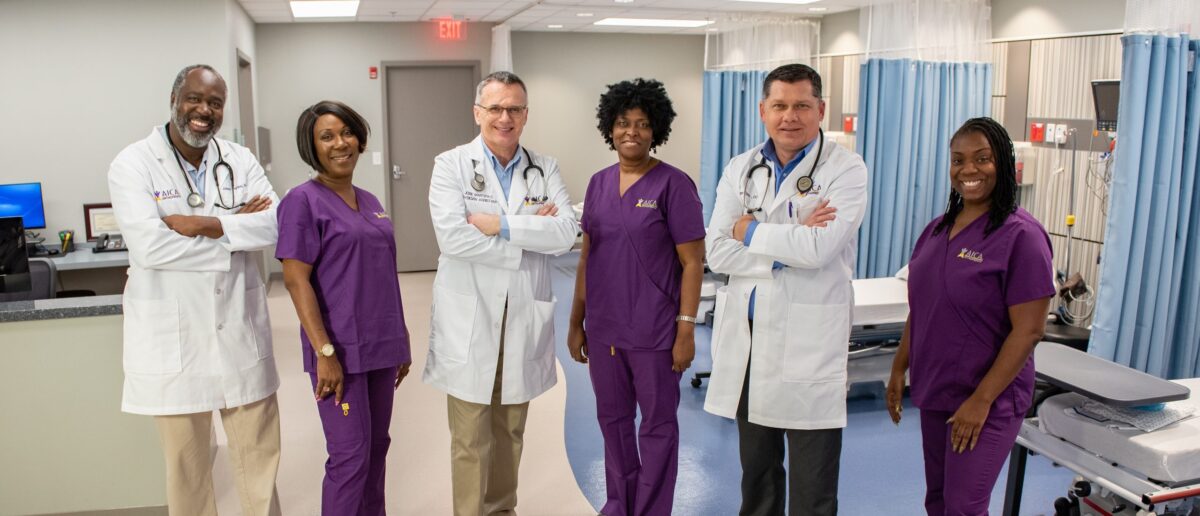
Elbow injuries rarely involve just one structure, so your care draws on more than one specialist, all working from a single plan:
- Our orthopedic surgeons diagnose and repair the bones, tendons, and ligaments of the elbow, and perform surgery when it is needed.
- Our neurologists evaluate and treat nerve problems, such as ulnar nerve compression, that cause numbness and weakness.
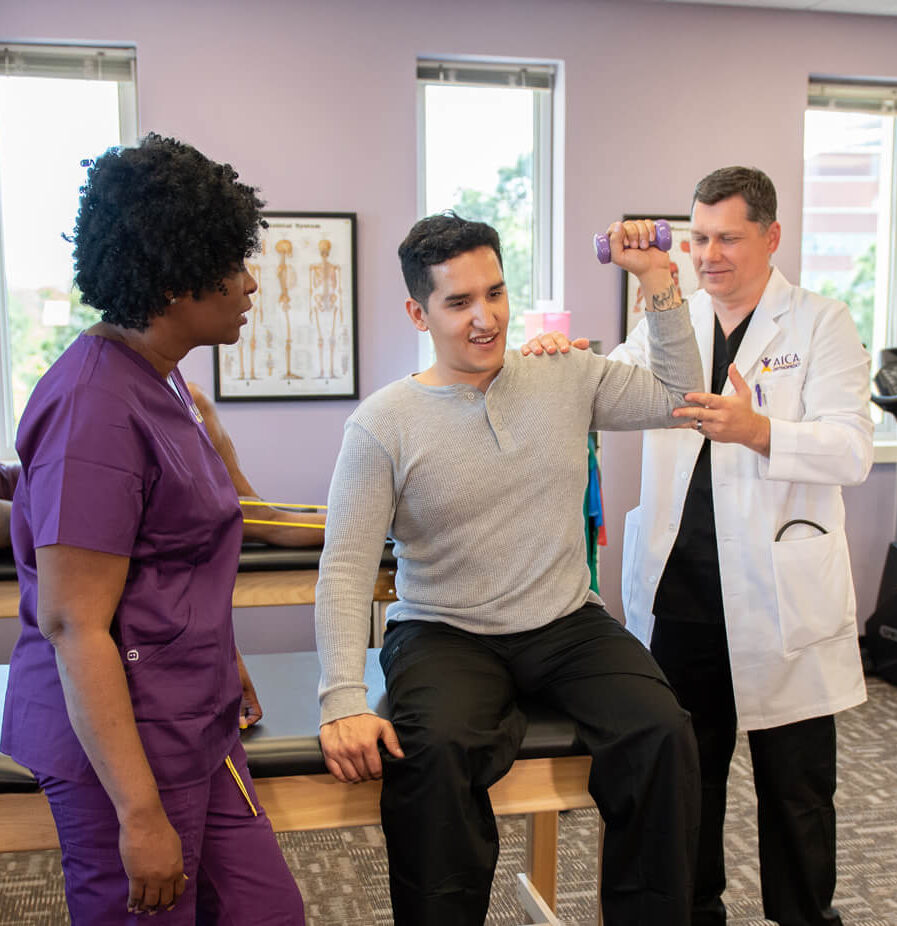
- Our physical therapists guide recovery before and after surgery, rebuilding strength and range of motion.
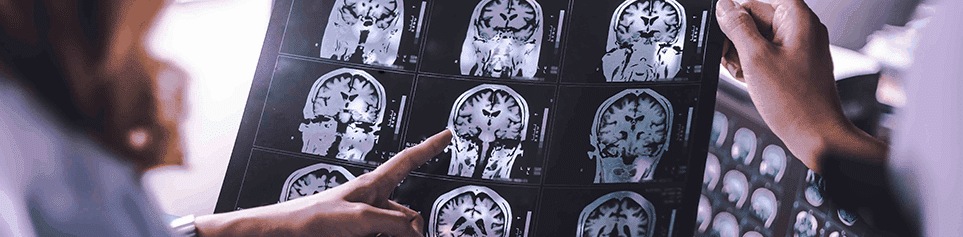
- Our radiologists read your on-site imaging, so the diagnosis is accurate from the first visit.
Our Atlanta orthopedic doctors hold current, board-level certifications in treating musculoskeletal conditions and accident injuries, and we keep pace with the latest research and technology in orthopedic and sports medicine. Whatever the cause of your elbow injury, you can count on our team for the level of care you deserve.
What Is Elbow Surgery?
Elbow surgery covers a range of procedures, each targeting a different part of the joint. The elbow is a hinge where three bones meet: the humerus in the upper arm and the radius and ulna in the forearm. Tendons anchor muscle to bone, ligaments hold the joint together, and the ulnar nerve runs along the inner side. Surgery repairs or replaces whichever of these structures is broken, torn, worn, or compressed once non-surgical care has not restored function, so the elbow can bend, straighten, and rotate again. The aim is always to relieve pain and restore movement with the least invasive approach that fits the injury.
When Elbow Surgery Is Needed
Surgery becomes an option when the elbow is structurally damaged or when weeks of conservative treatment have not brought relief. Signs it may be time to talk with an orthopedic surgeon include:
- A fracture or dislocation that has shifted the bones out of place
- Chronic tendon pain (tennis or golfer’s elbow) that has not eased with rest, therapy, or injections
- Numbness, tingling, or weakness in the hand from a nerve trapped at the elbow
- A joint stiffened or worn down by arthritis that limits daily movement
- Locking, catching, or loose fragments inside the joint
- Instability or persistent pain after an injury such as a car accident
Non-Surgical Elbow Treatments We Try First
Surgery is rarely the first step. Most elbow pain and many injuries respond to conservative care, and we start there whenever the injury allows. Non-surgical options include:
- Rest and activity changes that take stress off the injured tendon or joint
- Physical therapy to rebuild strength, flexibility, and range of motion
- Bracing or splinting to support and protect the elbow while it heals
- Anti-inflammatory medication to reduce swelling and pain
- Corticosteroid or PRP injections to calm inflammation in a stubborn tendon
- Hot and cold therapy to manage pain and swelling at home
When these steps do not bring lasting relief, or the injury is too severe to heal on its own, we walk you through the surgical options that fit your diagnosis.
Types of Elbow Surgery We Perform at AICA
The right procedure depends on which structure is damaged and how severe the problem is. Our orthopedic surgeons match the surgery to the diagnosis, choosing minimally invasive options whenever they fit.
Tennis Elbow and Golfer’s Elbow Surgery
When tendonitis on the outer elbow (tennis elbow) or inner elbow (golfer’s elbow) does not settle after months of non-surgical care, surgery removes the damaged tendon tissue and reattaches the healthy tendon to the bone. This elbow tendonitis surgery can be done through a small open incision or arthroscopically, targeting the specific tendon at the bony bump where the pain starts. Most patients go home the same day, wear a brace briefly, and return to full activity over a few months of physical therapy as the tendon heals.
Elbow Fracture Surgery
A broken elbow that has shifted out of alignment often needs open reduction and internal fixation, in which the surgeon repositions the bone fragments and secures them with plates, screws, or pins so they heal in the correct position. Severe fractures may also need repair of the surrounding ligaments. Elbow fracture surgery (Johns Hopkins) restores the joint’s structure so it can bend, straighten, and rotate. The arm is protected in a splint or brace afterward, and therapy begins once the bone is stable enough to move, rebuilding motion and strength over several weeks to months.
Elbow Arthroscopy
Arthroscopy uses a pencil-thin camera and small instruments through a few tiny incisions to diagnose and treat problems inside the joint. It can remove loose fragments, clear out inflamed tissue, release scar tissue that limits motion, and smooth arthritic surfaces. Because the incisions are small, most people recover faster and with less pain than open surgery, often returning to light activity within a few weeks.
Cubital Tunnel Release
When the ulnar nerve is compressed at the inside of the elbow, the source of the numbness and tingling many people call hitting the funny bone, cubital tunnel release relieves the pressure. The surgeon opens the tunnel the nerve runs through and, in some cases, moves the nerve to a spot where bending the elbow no longer pinches it. Relief from numbness and tingling often begins soon after surgery, while full nerve recovery and grip strength return gradually with therapy.
Elbow Replacement Surgery
When arthritis or a severe fracture destroys the joint surfaces, elbow replacement (arthroplasty) swaps the damaged ends of the bones for an artificial joint that restores pain-free motion. Elbow replacement (Mayo Clinic) is less common than knee or hip replacement but can dramatically improve function when the joint is beyond repair. Recovery is gradual and includes physical therapy to rebuild motion and strength, with heavy lifting usually limited long term to protect the new joint.
How AICA Diagnoses Elbow Injuries
Choosing the right surgery, or avoiding one, starts with a precise diagnosis. At AICA Orthopedics, we image the elbow on site, so there is no waiting on outside referrals or bouncing between facilities. Our diagnostic tools include:
X-Ray
MRI
EMG and nerve conduction studies
What to Expect During Surgery
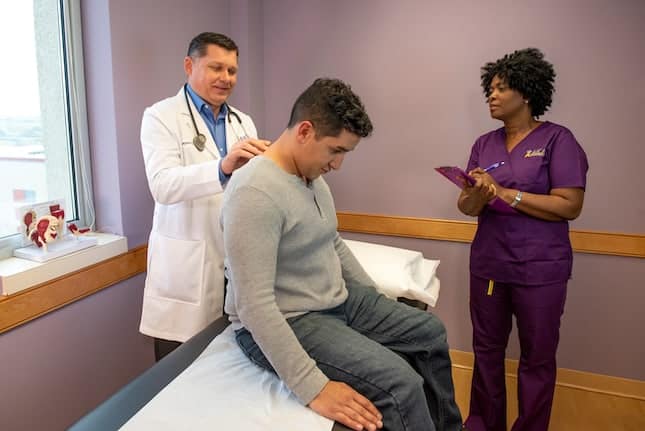
Your care begins with a consultation where our orthopedic specialists review your imaging, explain the severity of the injury, and walk through every option before any operation is scheduled. Depending on the procedure, elbow surgery may be done arthroscopically through small incisions or as an open surgery, and many procedures are outpatient, meaning you go home the same day. We guide you through pre-operative preparation, the surgery itself, and post-operative care, so you know what each step involves.
How to Prepare for Surgery
Before your procedure, our team reviews the specifics with you. Preparation usually includes:
- Completing any required lab work and medical evaluations
- Following instructions on which medications to pause or continue
- Arranging a ride home and help with daily tasks during early recovery
- Setting up your home for one-arm activity, with loose clothing and essentials within reach
- Following eating and drinking guidelines for the hours before surgery
Recovery After Elbow Surgery
Recovery depends on the procedure and the severity of the injury. Minimally invasive procedures like arthroscopy or a nerve release generally heal faster than fracture repair or joint replacement. Most recovery plans combine a period of protected rest, sometimes in a splint or brace, with a gradual return to motion and strength. General timelines by procedure:
- Arthroscopy or nerve release: light activity within a few weeks
- Tendon repair (tennis or golfer’s elbow): full activity over a few months
- Fracture repair: several weeks to months, depending on the break
- Elbow replacement: a few months of therapy to reach full strength
Physical therapy is central to a full recovery. Our physical therapists guide you through exercises that rebuild range of motion, strength, and flexibility while protecting the repair, and coordinate directly with your surgeon so your progress is tracked from the operating room to your last appointment.
For patients injured in an accident that wasn’t their fault, eligible care often comes with no out-of-pocket cost, because AICA bills the claim, not you.
Key Benefits for Personal Injury Patients
No Costs Out-of-Pocket
Transport Available
Doctors Available 24/7
All Imaging In-house
Same Day Appointment
Some Insurance Accepted
Se Habla Espańol
Why Choose AICA Orthopedics for Elbow Surgery
Our orthopedic surgeons, neurologists, physical therapists, and radiologists work together under one roof, so your diagnosis, surgery, and rehabilitation happen with one coordinated team instead of scattered providers. For patients hurt in a car accident, we document injuries thoroughly for your records and claim, and eligible not-at-fault patients pay nothing out of pocket. With on-site imaging, same-day appointments, and multiple Metro Atlanta locations., expert elbow care stays close to home.
Find an Orthopedic Surgeon by Specialty
Start Your Elbow Recovery with AICA Orthopedics
If elbow pain, weakness, or a recent injury is keeping you from the movements you rely on, find out whether surgery is even necessary, since often it is not. Our Atlanta orthopedic team will diagnose the cause with on-site imaging and recommend the least invasive path to lasting relief. Schedule a consultation today or Call (404) 855-2141 and start your recovery today.