Pediatric Orthopedic Surgery in Atlanta
Expert, Compassionate Care for Your Child
AICA’s Pediatric Orthopedic Surgeons
At AICA Orthopedics, our pediatric orthopedic surgeons diagnose and treat the fractures, growth-plate injuries, and sports injuries common in children and teens. A child’s body is still growing, which changes how an injury is treated, so it takes a specialist who works with young, developing bones every day. Most of what we see heals without surgery, and when an operation is needed, we choose the approach that protects your child’s growth. Whether the injury came from a fall, a sports collision, or a car accident, you can count on same-day appointments across multiple Metro Atlanta locations, so your child is seen quickly when something is wrong.
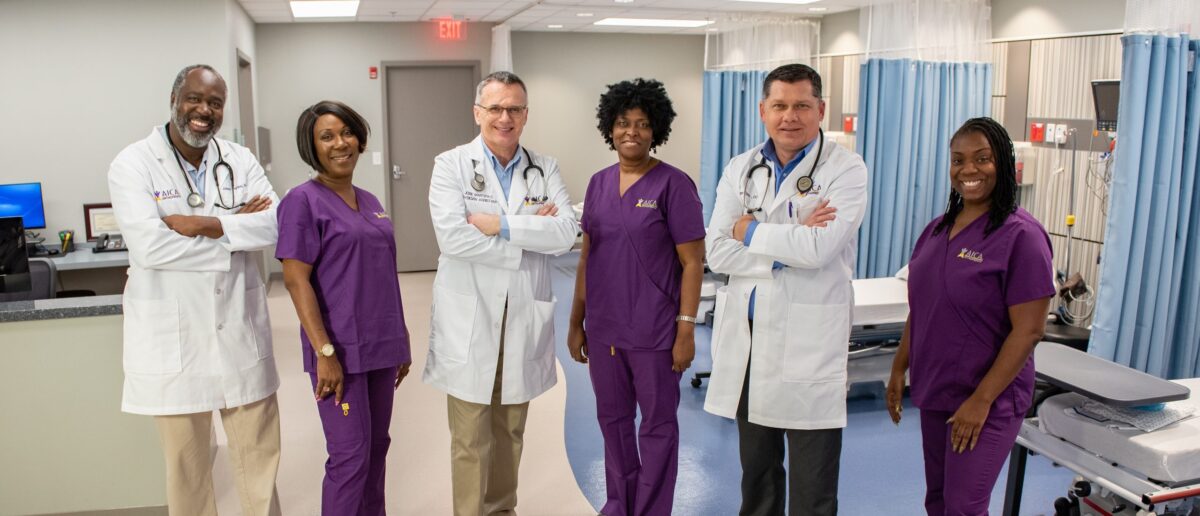
Meet AICA's Pediatric Orthopedic Team
Caring for a child’s injury takes specialists who work with growing bones every day, and who know how to put a nervous young patient at ease:
- Our pediatric orthopedic surgeons diagnose and treat fractures, growth-plate injuries, and joint problems in children and teens.
- Our physical therapists guide age-appropriate rehabilitation that safely returns your child to school, play, and sports.
- Our neurologists evaluate nerve-related concerns when an injury affects sensation or movement.
- Our imaging team captures the clear pictures a diagnosis needs while using the least imaging necessary for a child.
AICA’s team includes board-certified surgeons and neurosurgeons among 60+ physicians across specialties, so the right expert for your child’s injury is available without a referral elsewhere.
Why Children’s Orthopedic Care Is Different
A child’s bones are still growing, and that changes almost everything about how an injury is treated. Growing bones are softer and more flexible than an adult’s, so children get fracture patterns adults rarely do, like greenstick and buckle fractures where the bone bends or crumples instead of snapping clean through.
The bigger difference is the growth plate, the developing tissue near the ends of a child’s long bones where growth takes place. An injury through a growth plate needs careful treatment, because a break that heals out of position can affect how the bone grows in the years that follow. Working in your child’s favor is their capacity to heal quickly and remodel, straightening minor imperfections as they grow. Treating a child’s injury well uses both facts: protect the growth plate, and let the body’s own healing do its part.
When Your Child Should See a Specialist
Children don’t always explain where it hurts, so a change in how they move is often the clearest sign. Have your child evaluated if they have:
- Refusal to use, put weight on, or bear weight through an arm or leg
- A limp that doesn’t go away
- Visible swelling, bruising, or a deformity after a fall or injury
- Pain that persists or wakes them at night
- Reduced movement in a joint, or pain during their usual activities
- Any injury from a car accident, a hard fall, or a sports collision
When in doubt, it’s worth having a specialist take a look. A child’s growing bones give you a window to correct problems early, before they affect development.
Conditions Our Pediatric Surgeons Treat
AICA’s pediatric orthopedic specialists diagnose and treat a range of children’s injuries and conditions, including:
- Fractures, including the greenstick and buckle fractures unique to children
- Growth-plate (physeal) injuries that need careful, growth-protecting treatment
- Sports injuries, from ligament tears to fractures and overuse conditions
- Overuse conditions like Osgood-Schlatter disease and Sever’s disease
- Joint dislocations
- Injuries to the hand, wrist, elbow, ankle, and knee
- Injuries from car accidents, falls, and playground or sports collisions
How AICA Diagnoses Children’s Injuries
An accurate diagnosis is what protects a growing bone, and AICA images on site so there is no waiting on an outside facility. We use the least imaging necessary to answer the question, keeping your child’s comfort and safety first.
X-Ray
MRI
CT Scan
EMG Testing
Non-Surgical Care Comes First for Children
Most childhood injuries heal without surgery, and children’s fast healing and bone remodeling mean conservative care works even better for them than for adults. Depending on the injury, treatment may include:
- Casting or splinting to hold a fracture still while it heals
- Closed reduction, realigning a bone without an incision when the break allows
- Bracing and activity changes for overuse and developmental conditions
- Physical therapy to rebuild strength and motion and prepare for a safe return to sports
- Monitoring for conditions that improve on their own as a child grows
When an injury is too severe to heal correctly on its own, or when the growth plate is at risk, our surgeons walk you through the procedure your child needs.
Types of Pediatric Orthopedic Surgery AICA Performs
When surgery is necessary, our pediatric orthopedic surgeons use techniques designed for growing bones, protecting the growth plate and choosing the least invasive approach the injury allows.
Closed Reduction and Casting
For many displaced fractures, the surgeon realigns the bone without an incision and holds it in place with a cast while it heals. It’s the most common way children’s fractures are treated, and it works because young bones knit quickly.
Percutaneous Pinning
Some fractures, particularly around the child’s elbow, are realigned and held in place with small pins placed through the skin. The pins stabilize the bone while it heals and are typically removed in a simple follow-up once healing is complete.
Open Reduction and Internal Fixation (ORIF)
When a fracture is unstable, badly displaced, or involves a joint, the surgeon repositions the bone through an incision and secures it with plates, screws, or pins. In children, this hardware is sometimes removed after the bone has healed.
Growth-Plate Fracture Repair
A fracture through the growth plate is realigned precisely and stabilized so it heals in the correct position, which protects the bone’s future growth. These injuries get particular attention because getting the alignment right matters for years to come.
Pediatric Sports Injury Surgery
For the ligament tears and joint injuries that active kids and teens sustain, our surgeons use techniques suited to a still-growing skeleton, including growth-plate-sparing approaches for injuries like a torn ACL in an adolescent. Many of these are done arthroscopically through small incisions.
What to Expect at Your Child’s Visit
Your child’s care starts with a consultation where an orthopedic specialist examines the injury, reviews the imaging, and explains what is going on in plain language, to you and, in a way they can understand, to your child. If surgery is recommended, we walk you through why it’s needed, what it involves, and what recovery looks like, so you can make the decision with full information. Many pediatric procedures are outpatient, meaning your child goes home the same day to recover where they’re most comfortable.
How to Prepare Your Child for Surgery
A calm, prepared child has an easier time, and so do you. When surgery is scheduled, preparation usually includes:
- Completing any required evaluations and pre-surgery instructions from the care team
- Following the guidelines on eating and drinking before the procedure
- Explaining the day to your child in simple, reassuring terms
- Packing a comfort item, like a favorite stuffed animal or blanket
- Arranging time to be with your child through recovery at home
Recovery and Getting Back to Play
Children generally recover faster than adults, but healing still follows stages, and rushing a return to sports or rough play is the most common setback. Most recoveries move from a period of protected healing to a gradual, guided return to activity. Timelines vary by injury, and your surgeon gives you a clear picture for your child specifically.
Our physical therapists make rehabilitation age-appropriate and, where they can, fun, rebuilding strength and motion while keeping your child engaged. They coordinate directly with your child’s surgeon so progress is tracked from the first visit through the return to the field or playground.
If your child was injured in an accident that wasn’t your family’s fault, eligible care often comes with no out-of-pocket cost, because AICA bills the claim, not you.
Key Benefits for Personal Injury Patients
No Costs Out-of-Pocket
Transport Available
Doctors Available 24/7
All Imaging In-house
Same Day Appointment
Some Insurance Accepted
Se Habla Espańol
Why Atlanta Families Choose AICA for Pediatric Orthopedic Care
Pediatric orthopedic surgeons, physical therapists, neurologists, and imaging all work in the same practice at AICA, so your child’s diagnosis, treatment, and recovery run as one process instead of a chain of referrals. For children hurt in a car accident, we document the injury thoroughly for your records and any claim. That care is backed by more than 15,000 verified Google reviews, same-day appointments, 24/7 doctor access, and multiple Metro Atlanta locations, so expert care for your child stays close to home.
Find an Orthopedic Surgeon by Specialty
Get Your Child the Care They Deserve
If your child is hurting, limping, or recovering from an injury, the first step is an accurate diagnosis and a clear answer on whether surgery is even necessary. If you’re looking for expert pediatric orthopedic surgery near you, schedule a consultation today or call (404) 855-2141, and get your child the care they deserve.