

Understanding Soft-Tissue Injuries, Scar Tissue and MUA
You went to the emergency room after a car accident because you were in pain. X-rays were taken, and you were told there was nothing seriously wrong. No broken bones. No major injury. You were given pain medication, told that things should improve, and were sent home with minimal information about what happened to you.
So, you did what you were told.
You took the medication. You rested. You tried to give your body time to heal.
But the pain never went away.
In fact, it got worse.
The stiffness increased. Your range of motion became more limited. Maybe your neck hurt when you turned your head, your back tightened when you moved, or you began experiencing headaches, muscle spasms, or pain that seemed to spread into other areas.
Now you’re left wondering:
If the X-rays were normal, why am I still in pain?
The answer may have less to do with your bones and more to do with the soft tissues, including the muscles, ligaments, and tendons that may have been injured in the crash.
This helps explain why a person may experience significant pain, stiffness, and restricted movement even when initial X-rays do not show a fracture or other major bony injury.
What Is a Soft-Tissue Injury?
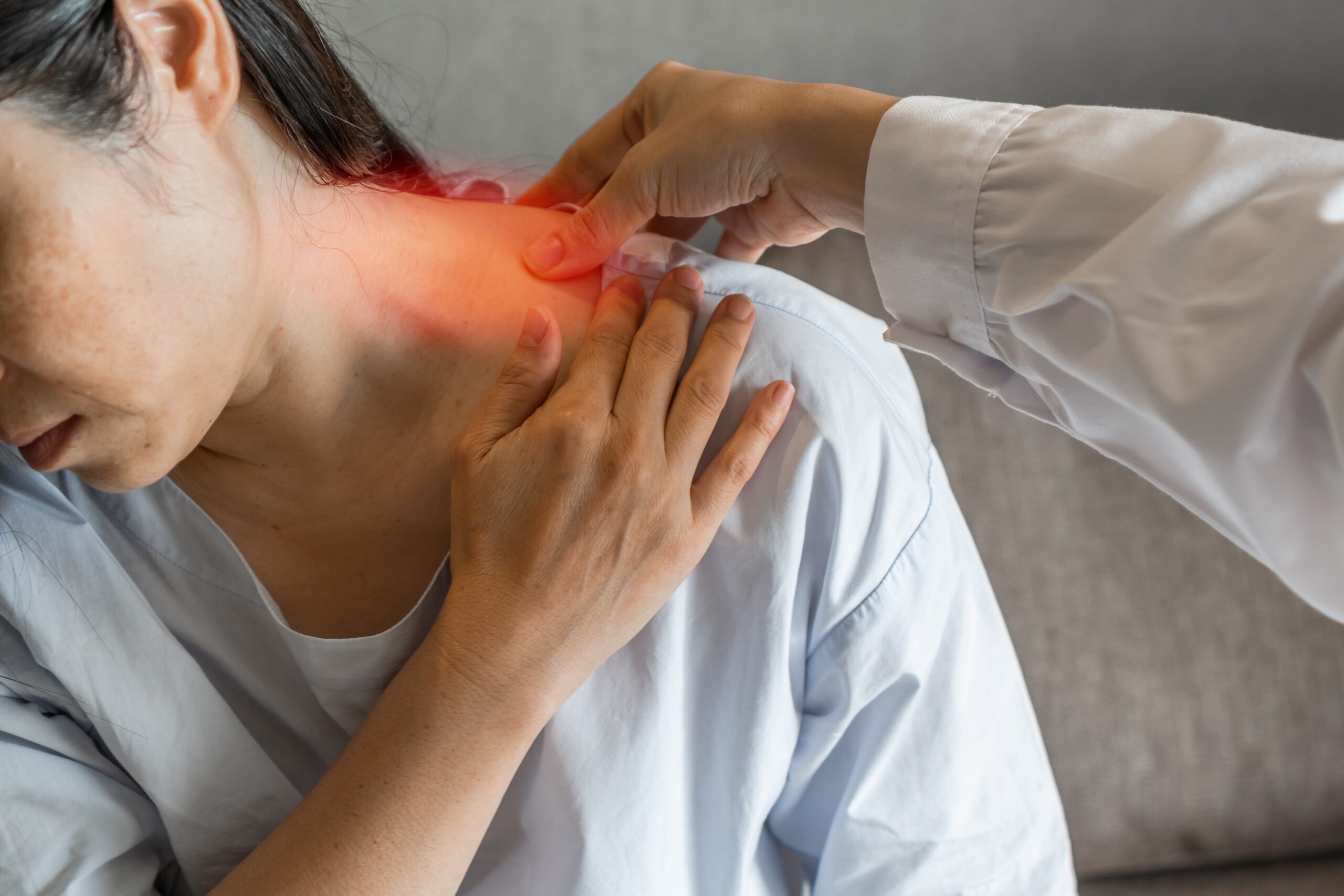
Soft-tissue injuries involve the muscles, ligaments, tendons, and other connective tissues that support and move your body. These injuries are common after motor-vehicle collisions and can cause pain, stiffness, muscle spasms, and restricted movement even when an X-ray does not show a broken bone.
According to data from the Centers for Disease Control and Prevention (CDC), an analysis of U.S. emergency-department visits found that sprains and strains accounted for 55% of motor-vehicle crash injuries among patients who were treated and released.
A strain refers to an injury involving a muscle or tendon, while a sprain involves an injury to a ligament. These injuries can occur when the tissues are stretched beyond their normal limits and sustain microscopic or macroscopic damage, including partial or complete tearing. The severity of the injury depends on the amount of tissue damage and the structures involved.
The body responds by initiating an inflammatory response and the natural healing process. This can result in pain, stiffness, muscle guarding, and restricted movement. In many cases, the injured tissues may not fully return to their normal function, leaving the patient with persistent pain and reduced mobility long after the initial accident.
Scar Tissue
When the normal healing process is disrupted by ongoing pain, inflammation, and limited movement, the body may begin to lay down fibrous connective tissue, commonly referred to as scar tissue. This tissue is part of the body’s attempt to repair and stabilize the injured area. However, unlike healthy tissue, scar tissue is less organized, weak and less flexible, which can contribute to restrictions in normal tissue mobility and joint movement.
A loss of normal joint movement and function can increase mechanical stress on the affected tissues and surrounding joints. Over time, these altered movement patterns can contribute to persistent muscle guarding, abnormal loading, and progressive post-traumatic changes within the region. When these changes persist, they contribute to ongoing pain, stiffness, functional limitations, and the development of chronic pain syndromes.
Conservative care
The goal of conservative care—including chiropractic care, physiotherapy, and formal medical rehabilitation—is to intervene during the healing process and promote the best possible recovery. Through appropriate movement, exercise, manual therapies, and rehabilitation, these treatments are intended to support healthy tissue healing, restore joint mobility, improve tissue function, and reduce the likelihood that pain, stiffness, and restricted movement become persistent problems.
However, a percentage of patients with these injuries will not adequately respond to conservative management. Despite appropriate treatment and rehabilitation, they may continue to experience pain, stiffness, restricted movement, and functional impairment well beyond the expected period of recovery for a typical post MVA soft-tissue injury.
When symptoms and functional limitations persist despite reasonable conservative care, the injury may warrant further evaluation and consideration of alternative treatment options.
Manipulation Under Anesthesia (MUA)
At this point, Manipulation Under Anesthesia (MUA) may be considered as an escalation of care for appropriately selected patients who have not achieved adequate improvement with conservative treatment.
During an MUA, medication such as propofol is administered by a licensed anesthesiologist to provide Monitored Anesthesia Care or “MAC” anesthesia. MAC produces a controlled level of sedation while the patient continues to breathe on their own and is continuously monitored by the anesthesia team. Unlike general anesthesia, MAC anesthesia does not require the patient to be placed on a ventilator with a breathing tube.
This distinction is important because the goal of MAC during MUA is to provide sufficient relaxation and reduce voluntary muscle guarding and apprehension while allowing the provider to perform the procedure in a controlled and monitored setting without intubating the patient.
So, what does the MUA do?
MUA is a controlled application of stretching, soft tissue release techniques, and joint manipulation performed while the patient is under anesthesia. By reducing muscle guarding, apprehension, and voluntary resistance that can limit movement during in-office conservative care, MUA allows the provider to work more effectively with restricted tissues and joints.
The MUA procedure addresses areas of restricted mobility and soft-tissue dysfunction, with the goal of disrupting restrictive scar tissue and improving tissue extensibility (the ability of a tissue to lengthen or stretch without injury.), joint motion, and overall function. This creates an opportunity to restore movement that has remained limited despite conservative care by addressing restrictions that have prolonged recovery.
Once movement is restored and the restricted tissues have been addressed, the body has an opportunity to continue the normal process of tissue remodeling. By improving mobility and reducing the mechanical restrictions that developed during the injury and healing process, the previously injured tissues can be rehabilitated and conditioned to function more normally.
What’s the end goal?
Research suggests that approximately 50% of patients who sustain an MVC-related neck injury may continue to experience neck pain one year later, while persistent low-back pain has been reported in at least 31% of people following a collision.
The goal of recovery is not simply to relieve pain, but to restore movement and function and give the body the best opportunity to recover from the original injury. By addressing persistent restrictions and improving mobility, MUA helps reduce the risk of ongoing post-traumatic dysfunction and the development of chronic pain syndromes.