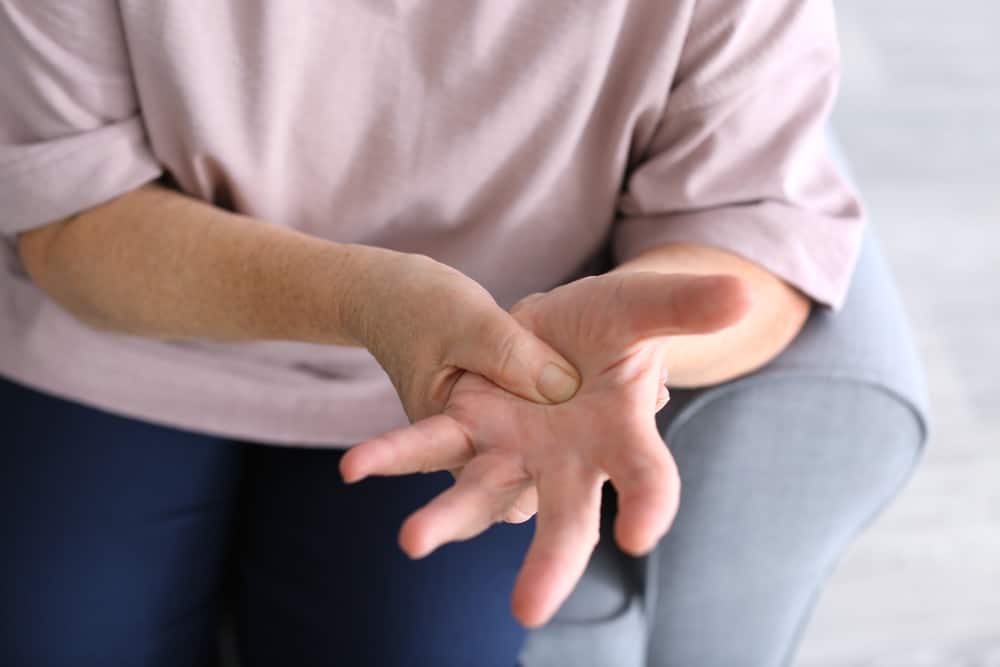


Pain between the thumb and index finger usually comes from the thenar space, the fleshy web of muscle, tendon, and joint at the base of the thumb that powers nearly every grip and pinch. The most common causes are arthritis at the base of the thumb, an irritated or inflamed tendon such as De Quervain’s tenosynovitis, and nerve compression from carpal tunnel syndrome. Short-lived soreness after heavy hand use often settles with rest. Pain that lingers, swells, weakens your grip, or makes the thumb hard to move is worth having one of our hand specialists at AICA Orthopedics examine before it turns chronic.
What Is the Area Between the Thumb and Index Finger?
The soft, muscular web at the base of the thumb is the thenar space. It packs the muscles, tendons, and ligaments that let the thumb pinch, grip, and move against the other fingers, which is what makes the hand capable of fine, precise work. Because that small area does so much, pain there shows up fast in daily tasks: opening jars, turning keys, typing, holding a phone. The location of the pain, and what makes it worse, points to which structure is involved.
Common Causes of Pain Between the Thumb and Index Finger
Sometimes the cause is simple overuse or a direct injury to the hand. Often it traces to one of a few specific conditions that affect the joints, tendons, or nerves in the thenar space.
Thumb and Index Finger Joint Arthritis
Arthritis at the base of the thumb, where the thumb meets the wrist, is one of the most common sources of pain in this area. Osteoarthritis wears down the cartilage that cushions the joint, leaving swelling, stiffness, and an aching pain that worsens with pinching or gripping. Thumb arthritis (Mayo Clinic) becomes more likely with age. Rheumatoid arthritis can also reach the hand, inflaming the joints and, over time, the tendons, and it tends to affect both hands rather than one.
De Quervain’s Tenosynovitis
De Quervain’s tenosynovitis inflames the two tendons that run along the thumb side of the wrist into the base of the thumb. It produces pain and swelling right in the thumb-side web and wrist, and it flares when you grip, pinch, or turn the wrist. De Quervain’s tenosynovitis (Mayo Clinic) is common in new parents and in anyone whose work or hobby involves repetitive thumb and wrist motion. It is one of the most specific causes of pain in exactly this spot.
Carpal Tunnel Syndrome and Hand Numbness
Carpal tunnel syndrome is known for wrist pain, but the same pinched nerve can send pain, numbness, and tingling into the thumb, index finger, and the web between them, and can weaken your grip. It develops when the tunnel of tissue in the wrist narrows and presses on the median nerve. We treat carpal tunnel syndrome with non-surgical care first and surgery only when it is needed.
Tendonitis, Trigger Finger, and Ganglion Cysts
Tendonitis is inflammation of a tendon, and in the thenar space it flares with repetitive thumb movements like typing or gripping. Trigger finger, where a tendon catches and the finger snaps or locks, can cause pain and popping near the base of the thumb. A ganglion cyst, a fluid-filled lump that forms in the hand or wrist, can press on nearby nerves or tissue and add pain in the same area.
Overuse, Swelling, and Hand Injury
Repetitive gripping, pinching, and thumb motion strain the muscles and tendons of the thenar space and can inflame them even without a single injury. A fall or a car accident can also injure the thumb, its joint, or the web of the hand directly, causing sharp pain and trouble with everyday tasks. Pain that follows an accident is worth prompt evaluation, since a fracture or tendon tear can hide behind swelling.
Symptoms Worth Watching For
The pattern of symptoms helps separate a passing strain from something that needs care.
- Numbness or tingling in the thumb, index finger, or the web between them
- A grinding or grating feeling in the joint at the base of the thumb
- Swelling, warmth, or redness across the thenar space
- Pain that sharpens when you pinch, grip, or turn the wrist
- Stiffness, weakness, or trouble moving the thumb
- A popping or snapping sensation when the thumb or a finger moves
When to See a Hand Specialist for Thumb and Hand Pain
Hand pain that will not go away and interferes with daily tasks is reason to see a doctor or hand surgeon and find out what is driving it. Some causes, including arthritis, worsen gradually, so an early diagnosis gives the best chance to prevent chronic pain. Certain signs call for prompt care: a thumb you can no longer move, or a thumb and surrounding area that looks swollen or crooked, both point to an injury that needs attention right away.
Hands are intricate, and their care is best trusted to a specialist. A hand surgeon or orthopedic hand specialist completes advanced training focused specifically on the hand, on top of board certification in orthopedic surgery, so the diagnosis and the plan fit how the hand actually works. Our orthopedic hand specialists at AICA carry that training and treat the root cause, not just the symptom.
How We Diagnose Hand and Finger Pain at AICA
At AICA Orthopedics, we start with a clear picture of the bones, joints, and soft tissue inside the hand. On-site X-rays confirm or rule out a fracture or bone damage, while an MRI or CT scan shows how the ligaments and tendons are affected, since those are often the source of chronic thenar pain. When nerves are involved, an EMG or NCV test measures how the muscles and nerves of the hand respond to signals, which helps pinpoint compression like carpal tunnel.
How to Relieve Pain Between the Thumb and Index Finger
Most pain between the thumb and index finger eases with conservative care once we know the cause. For mild to moderate cases, we start with steps you can do at home and add treatment from there:
- Alternating heat and cold eases pain and swelling, and helps most when inflammation is involved.
- Rest and activity changes take load off the strained tendon or joint so it can settle.
- Anti-inflammatory medication reduces the swelling that drives much of the pain.
- A splint or brace steadies the thumb and wrist for tendon conditions like De Quervain’s.
Beyond home care, our team coordinates on one plan. Chiropractic care can correct joints that sit out of alignment, a neurologist addresses nerve pain, and a physical therapist guides exercises that rebuild range of motion and grip strength. When conservative care is not enough, an orthopedic hand surgeon can offer procedures such as carpal tunnel release or hand arthroscopy to repair the underlying problem. Catching a condition like arthritis early often keeps treatment non-surgical.
Get Relief for Thumb and Hand Pain at AICA Orthopedics
When pain between the thumb and index finger keeps coming back, stiffens the joint, or weakens your grip, it has moved past a passing strain and deserves a closer look. At AICA Orthopedics, our orthopedic hand specialists, neurologists, chiropractors, and physical therapists work together under one roof, with imaging on site, so you move from scan to diagnosis to treatment in one place. We offer same-day appointments across 22 Metro Atlanta locations. Call (404) 855-2141 or fill up our online contact form and start healing today.
Frequently Asked Questions
Why does the muscle between my thumb and index finger hurt?
That muscle sits in the thenar space and does a lot of pinching and gripping, so it strains easily with repetitive use. When the pain lingers or comes with swelling, the cause is often tendon inflammation, arthritis at the base of the thumb, or nerve compression rather than the muscle alone. Pain that does not settle with rest is worth having evaluated.
How do I relieve pain between my thumb and index finger?
For mild pain, rest the hand, alternate heat and cold, and ease off the repetitive gripping or pinching that aggravates it. An over-the-counter anti-inflammatory can reduce swelling, and a thumb splint can steady the joint. If the pain persists past a week or two, or comes with numbness, weakness, or swelling, a hand specialist can identify the cause and treat it directly.
Is pain between the thumb and index finger a sign of arthritis?
It can be. Arthritis at the base of the thumb is one of the most common causes of pain in this area, especially when the ache worsens with pinching and comes with stiffness or a grinding feeling in the joint. Only an exam and imaging can confirm which condition is behind the pain.
Can pain between the thumb and index finger go away on its own?
Often, yes. Soreness from overuse or a minor strain usually settles with a few days of rest, less repetitive gripping, and heat or cold. What tends not to resolve on its own is pain from arthritis, a trapped nerve, or a tendon condition like De Quervain’s, which usually needs targeted treatment.