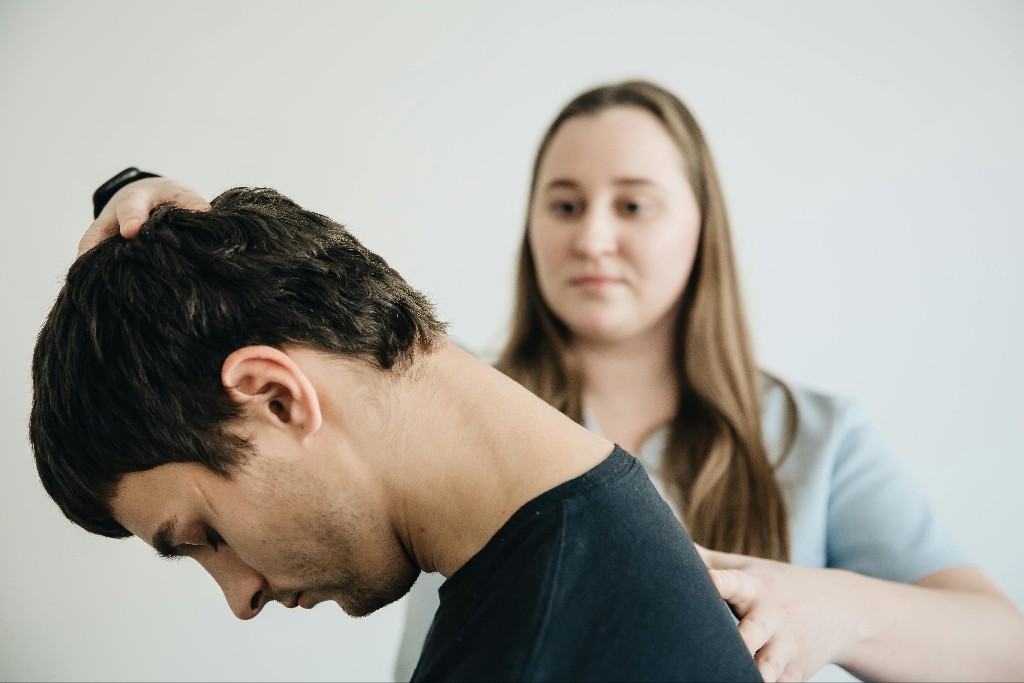


Injured in a crash and now dealing with a stiff, kinked neck? That kind of pain is common after a collision, but it still gets in the way of your day and deserves quick attention. Even a mild impact can strain the muscles and joints in your neck, and addressing it early helps you heal properly instead of pushing through discomfort.
If your neck feels tight, limited, or simply not like it did before the accident, here’s what to know and how to move forward with the right care.
What a Kinked Neck Really Means After a Crash
A kinked neck after a collision often signals an actual injury. The sudden force can strain muscles, stretch ligaments, irritate joints, or affect the soft tissues that support your cervical spine. In some cases, it points to deeper problems that need medical care.
During a crash, your head can snap forward and back quickly. This motion stresses the neck in a way it is not prepared for, and even slow impacts can create noticeable pain. Leaving it untreated can lead to recurring discomfort or to symptoms spreading into your shoulders or arms.
Common signs to watch for include:
- Neck pain or soreness
- Stiffness or limited movement
- Muscle spasms
- Pain that reaches into the shoulders or arms
- Headaches
- Pain that appears hours after the crash
If these symptoms follow an accident, take them seriously. They can be early signals that your neck needs proper care.
Immediate Steps to Relieve the Neck Pain After a Crash Within the First 24 to 48 Hours
Neck pain can build quickly in the first two days after an accident. Taking a few simple steps early can help ease discomfort and prevent your neck from tightening further. These actions give your body room to heal while you arrange proper medical care.
- Rest With Light Movement: Give your neck a break from stressful positions while allowing gentle, natural motion. This keeps the area from getting stiff.
- Use Cold, Then Heat: Cold can help reduce swelling on the first day. Warm compresses after that help relax tight muscles and improve comfort.
- Use Over-the-Counter Pain Relief: Medications like ibuprofen or acetaminophen may ease pain, but they are only a temporary measure until a doctor evaluates you.
- Try Gentle Stretching: Once the initial soreness settles, slow movements within a comfortable range help maintain mobility and prevent tension.
- Avoid Straining Your Neck: Skip heavy lifting, quick neck movements, or long periods in one position. These habits can delay healing.
These steps offer short-term relief, and pairing them with a proper exam after a crash helps you avoid long-term issues.
Read: Pain In The Neck? Here’s What You Should Know
Why You Should See a Specialist Even If It Feels Like a Simple “Kink”
Neck pain that shows up after a crash can come from more than strained muscles. It may involve a herniated disc, irritated joints, ligament damage, or pressure on a nerve. These issues are not always obvious at first, which is why a trained specialist should evaluate you.
A proper exam checks how your neck moves and identifies areas of tenderness or weakness. Your doctor may recommend imaging, such as X-rays, CT scans, or MRIs, to rule out fractures or deeper injuries. Without this step, minor pain can turn into long-lasting discomfort that affects your daily life.
If your accident involves an injury claim, medical documentation is important. A timely exam helps protect your health, provides a path forward for your recovery, and creates the records needed for your case.
Don’t wait for the pain to get worse to get the care you need.
Professional Care Options for Lasting Neck Pain Relief
 Once a doctor understands the cause of your neck pain, they can recommend treatments that match your injury. Each option helps your neck heal in a different way, and the right combination supports a smoother recovery.
Chiropractic and Spinal Adjustments
Chiropractic care helps restore proper neck movement. Gentle adjustments can ease pressure on irritated joints and improve overall mobility. This approach can also help reduce tension that builds up around injured tissues after a crash.
Physical Therapy
Therapists guide you through stretches and strengthening exercises that build support around the neck and upper back. This helps improve flexibility and reduces the risk of future flare-ups. A guided plan also helps you regain steady, controlled movement without stressing the injured area.
Medication or Injections
Some injuries respond to targeted medication or injections that calm inflammation or nerve irritation. These treatments can make it easier to participate in therapy and move comfortably. Your doctor may recommend these options when pain is limiting your progress.
Multi-Specialty Evaluation
Neck injuries sometimes involve the nerves or deeper structures. Access to orthopedic doctors, neurologists, and advanced imaging gives you a clear diagnosis and a coordinated plan that covers every part of your recovery.
Working with a team experienced in accident care helps you get the right treatment, stay consistent, and protect your injury claim with complete and accurate medical records.
How to Prevent Future Kinks in the Neck and Protect Your Recovery
Simple habits can make a big difference while your neck heals and can help you stay comfortable long after the accident. These steps support your posture, reduce strain, and keep your neck from tightening again.
- Keep your posture steady while sitting or working
- Set your screen at eye level to avoid leaning forward
- Change positions often to limit stiffness
- Strengthen the muscles in your upper back and shoulders
- Adjust your car headrest so it supports the middle of your head
- Practice safe driving habits and sit upright in the seat
These small adjustments help your neck stay stable and support the progress you make during treatment.
Restore Your Comfort and Mobility After an Accident with AICA Orthopedics
Neck pain after a crash can slow you down, but the right care helps you move forward with confidence. Early attention, smart home care, and guidance from trained specialists give your neck the support it needs to recover.
AICA Orthopedics is here to help you through every step of that process. You can access same-day and 24/7 care, transportation provided when needed, and treatment from orthopedic doctors, chiropractors, physical therapists, neurologists, and full imaging teams in one place. If you were not at fault, you pay nothing out of pocket, and your records and treatment plan help support your settlement.
Start healing now and take the next step toward real relief. Call (404) 855- 2141.