

Neck pain after a crash can be difficult to interpret, especially when it keeps getting worse over the next few days. Hearing that you may have bone spurs in your neck often raises more questions, because most people are not sure what that means or how it relates to their injury.
If your neck was strained in an accident, understanding how bone spurs can form and why symptoms may increase over time helps you make informed decisions about your care. Early evaluation matters, since accident-related neck changes can progress quickly, and waiting too long can affect both your recovery and your claim.
What Are Bone Spurs in the Neck?
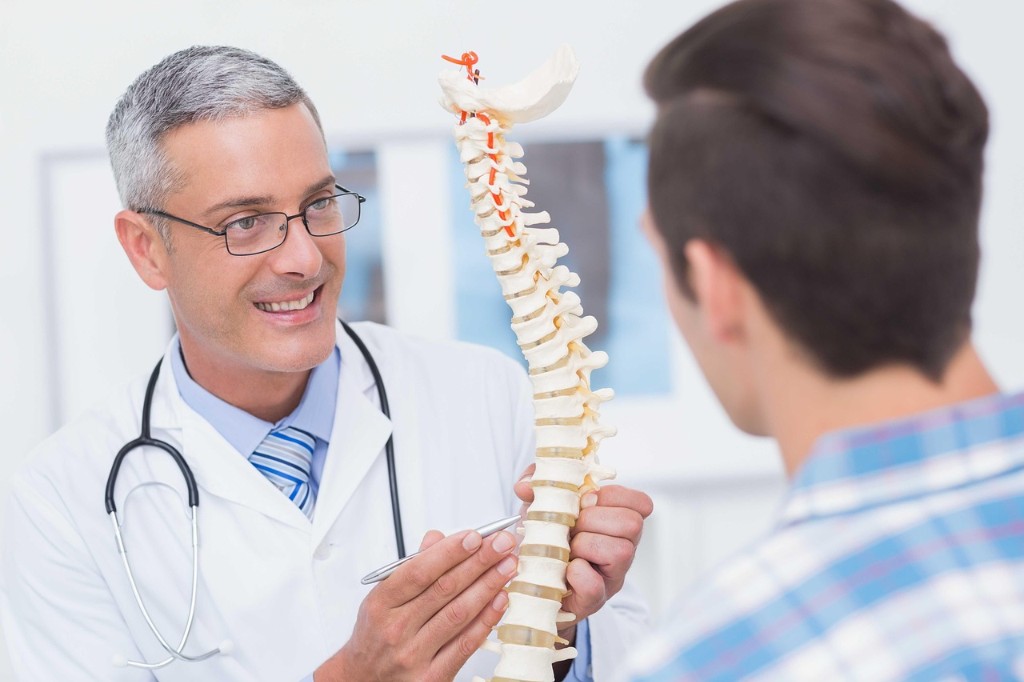
The neck is built from seven small bones stacked together, called the cervical spine. These bones are separated by soft discs that act like cushions, and small joints on the sides help your neck bend, rotate, and support your head. Bone spurs are tiny pieces of extra bone that form along the edges of these vertebrae or joints. They often start quietly, but in the neck they can cause problems because they sit so close to nerves and the spinal cord. When a spur presses on these sensitive areas, pain and other symptoms can follow.
After a crash or sudden neck injury, the body may respond to the strain by forming new bone where it does not belong. This process can take time, which is why someone may feel minor soreness right after an accident but notice the pain getting stronger days or weeks later.
Why Do Bone Spurs in the Neck Develop?
Bone spurs can appear for several reasons. Some changes come with age, while others are linked to injuries or long-term strain.
- Age-Related Wear and Tear: As the neck ages, the discs and joints lose some of their natural cushion. The body reacts by adding extra bone to protect weakened areas, which can lead to stiffness or pain.
- Injury or Repetitive Stress: Car accidents, whiplash, prior injuries, or repeated neck strain can irritate the joints and soft tissues. The body tries to stabilize the area by forming new bone.
- Other Health Conditions: Some health conditions can lead to extra bone growth in the spine. Arthritis, prolonged poor posture, excess body weight, certain disc problems, or inherited traits can all contribute.
Symptoms That Signal a Possible Bone Spur Issue in Your Neck
Bone spurs affect people in different ways. Some cause mild discomfort, while others lead to stronger symptoms. Paying attention to these changes helps you know when it is time to get checked, especially after a crash.
Common Symptoms
Neck pain, stiffness, and a reduced range of motion are common early signs. Turning your head may feel tight or uncomfortable. Daily tasks like looking over your shoulder can start to feel harder than usual.
Symptoms Linked to Nerve Irritation
Tingling, numbness, or weakness in your shoulders, arms, or hands can show up when a bone spur presses on a nerve. Some people notice headaches or pain that travels down the arm.
Serious Symptoms that Need Fast Care
Trouble with balance, bowel or bladder changes, or difficulty swallowing or breathing can appear in rare cases involving the spinal cord. These symptoms require immediate medical attention.
Read: What to Do When Your Neck Hurts After a Car Accident
How Are Bone Spurs in the Neck Diagnosed?
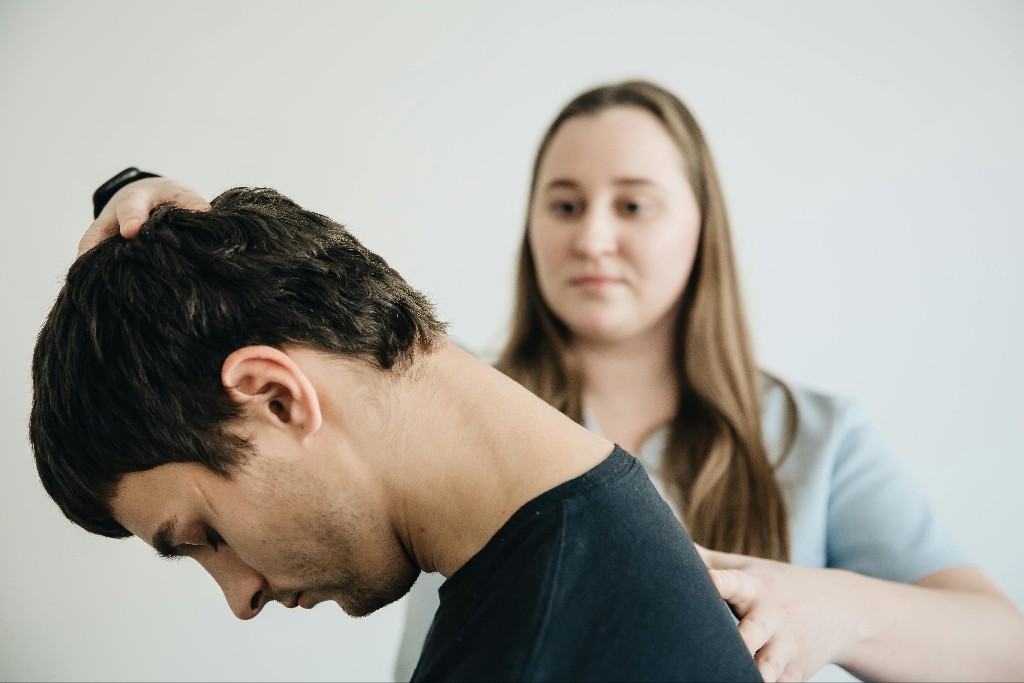
Diagnosis starts with a conversation about your symptoms and how your neck has been feeling since the accident. Your doctor will check your range of motion, muscle strength, and any signs of nerve irritation during a physical exam.
Imaging tests help confirm what is happening inside your neck. X-rays can show extra bone growth, while CT scans and MRIs give a closer look at the space around your nerves and spinal cord. When nerve symptoms are more complex, tests like EMG or nerve conduction studies can help identify the exact source of the problem.
If you were in a crash and still have neck or arm symptoms a few days later, getting evaluated early protects your health and supports your claim. Early answers can lead to better treatment options and may lower the chance of needing invasive care later.
Relief Methods and Treatment Options for Bone Spurs in the Neck
Treatment depends on how severe your symptoms are and how much the bone spur affects your daily comfort. Most patients start with simple, guided care that helps calm irritation and support recovery after an accident.
Non Surgical Care
These options focus on reducing inflammation, restoring movement, and helping your neck heal safely.
- Rest and activity changes help calm irritated tissues and prevent painful flare-ups.
- Cold or heat therapy eases muscle tension, swelling, and stiffness.
- Doctor-approved anti-inflammatory medicine helps manage pain while a full care plan is developed.
- Physical therapy improves posture, rebuilds strength, and restores mobility in a controlled way.
- Chiropractic or supportive treatments help relieve pressure and improve alignment when guided by a medical team.
When Advanced Care or Surgery Is Considered
These treatments are explored when symptoms continue or nerve pressure becomes more serious.
- Procedures that remove small parts of the bone spur help reduce pressure on sensitive nerves.
- Treatments that create more space around compressed nerves help restore comfort and function.
- Surgery for ongoing weakness, nerve changes, or pain becomes an option when conservative care no longer brings relief.
You may not be able to prevent every bone spur, especially age-related ones, but you can slow their progression. Good posture, stronger neck and upper back muscles, a healthy weight, avoiding smoking, and limiting repetitive strain all support long-term neck health. After an accident, returning to full activity too soon can speed up degeneration, so follow-up care and regular monitoring are important.
Move Toward Relief and Real Recovery with AICA Orthopedics
Neck pain from an accident can change your routine, affect your mobility, and make it hard to feel in control of your health. Learning how bone spurs can develop, the symptoms they cause, and the treatment options available helps you take the next step with confidence.
AICA Orthopedics is here to support your recovery with same-day appointments, 24/7 access to real doctors, and no out-of-pocket costs if you were not at fault. Our teams include orthopedic specialists, chiropractors, neurologists, physical therapists, and on-site imaging, all working together across multiple Atlanta clinics. We have transportation available when needed and create medical records and care plans that support your claim.
Call (404) 855- 2141 and get the care you need today. We Got Your Back.