

If you were recently hurt and trying to figure out who can help you recover, it’s normal to ask yourself, “Are chiropractors medical doctors?” Understanding that difference matters, especially when you want care that is credible and appropriate for your type of injury.
Whether your pain started immediately after the accident or has been building over time, knowing how chiropractors and medical doctors are trained gives you a clearer path forward. The right provider can improve how you move, feel, and function, and making that choice early often leads to better outcomes.
Are Chiropractors Medical Doctors? How Their Training Works
Chiropractors are not medical doctors, but they are highly trained clinicians with a specialized focus on the spine, joints, and nervous system. Chiropractors complete a Doctor of Chiropractic (D.C.) degree. This program includes four to five years of postgraduate study, clinical training, and licensing exams. Their education centers on the spine, joints, nervous system, and how these structures influence pain and movement.
Medical doctors follow a different path. They attend undergraduate school, complete medical school, and finish a residency that can take several more years. They are trained to prescribe medications, perform surgery, and manage a wider range of medical conditions.
How this applies to your care: Chiropractors treat pain and mobility problems using non-surgical, hands-on techniques. They do not perform surgery or prescribe most medications because their training focuses on a different expertise. For many musculoskeletal injuries, especially those from car accidents, chiropractic care plays a valuable role in restoring proper movement and reducing strain on irritated tissues.
Read: What Exactly Does a Chiropractor Do?
What Medical Doctors Think of Chiropractors
Many medical doctors recognize chiropractic care as an effective option for spine and joint injuries. Conditions like whiplash, muscle strain, and limited mobility often respond well to chiropractic treatment, especially when the goal is to restore alignment and movement.
Medical doctors step in when a patient needs:
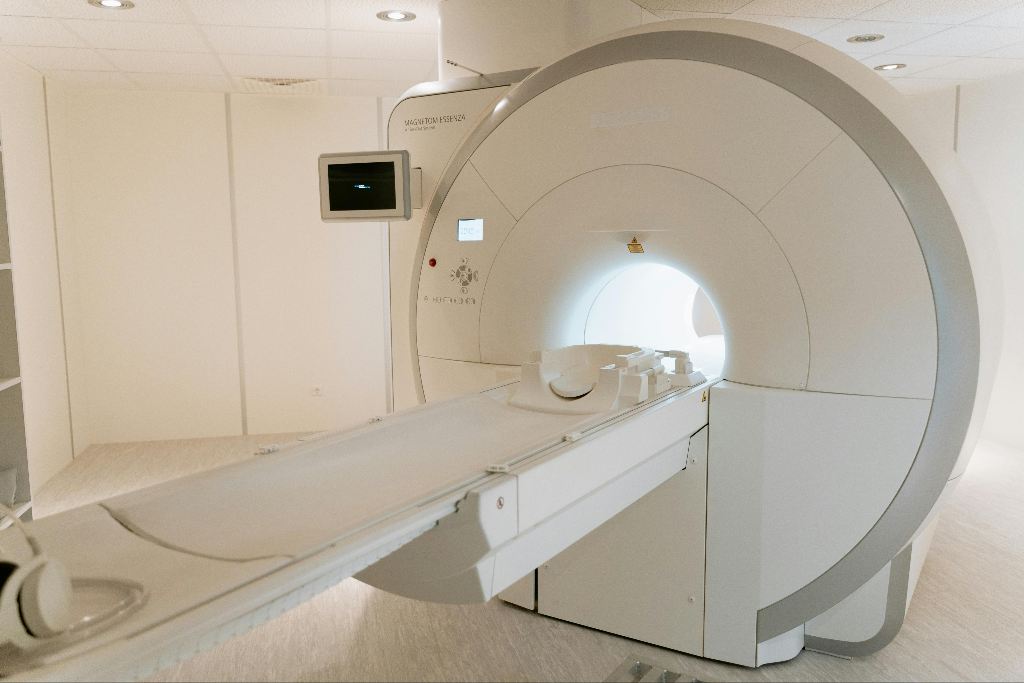
- Imaging such as an MRI or CT
- Medication for acute inflammation
- Evaluation for neurological symptoms
- Surgical consultation when appropriate
This doesn’t replace the value of chiropractic care. In many cases, the best results come from both providers working together. Chiropractic treatment can reduce joint dysfunction, while medical specialists evaluate deeper injuries or complications.
If you’re experiencing pain, stiffness, or changes in movement, this combined perspective helps you decide what type of care your injury requires.
How Chiropractic Care Helps Your Body Recover
Musculoskeletal pain can result from sudden trauma, posture issues, repetitive stress, or a combination of small injuries over time. Chiropractic care helps address these problems through techniques that improve alignment and reduce strain on injured tissues.
Conditions commonly treated by chiropractors include:
- Back pain
- Neck strain
- Headaches
- Whiplash
- Muscle tension
- Joint stiffness or reduced mobility
Chiropractic treatment may involve:
- Gentle spinal or joint adjustments
- Soft-tissue therapy
- Mobility and stretching techniques
- Targeted exercises to support stability
Correcting joint motion relieves pressure, decreases inflammation, and allows muscles and nerves to function more efficiently. With consistent care, many patients experience improved mobility and reduced pain.
When You Need a Medical Doctor First or Alongside Chiropractic Care
Chiropractic care can help with many situations, including everyday back pain, posture problems, sports injuries, and accident-related conditions. Still, there are times when a medical doctor should be involved as well, especially when symptoms suggest deeper injury or when testing or medication may be needed.
Scenarios that require medical attention include:
- Suspected fracture
- Loss of feeling or new weakness
- Sudden dizziness
- Severe or escalating headaches
- Signs of internal injury
- Trouble walking
- Intense or worsening pain
- Vision changes
Chiropractors often work with medical doctors when a patient needs a team approach. This gives you access to the right tests, the right treatment plan, and the documentation your claim may require. Delays can slow your recovery and create gaps in your medical records. Getting checked as soon as possible protects your health and strengthens your case.
How to Choose the Right Provider After an Accident: Questions to Ask
 Choosing a provider is easier when you know what to look for. These questions can help guide your decision:
- Are you licensed, and what credentials do you hold?
- Do you treat injuries similar to mine on a regular basis?
- Will you coordinate care with orthopedics or neurology if needed?
- Can you provide the medical records required for my accident claim
- If I wasn’t at fault, is treatment available with no out-of-pocket cost?
These questions help you identify a provider who communicates clearly, understands injury mechanics, and can guide you through the full recovery process.
Get Expert Injury Care You Can Trust with AICA Orthopedics
Injuries that involve the spine, joints, or soft tissues can leave you in pain and unsure where to turn for help. Knowing how chiropractic and medical care work together gives you a clearer sense of what type of support your body may need, especially after long periods of discomfort.
AICA Orthopedics brings all of this together for people who want fast, reliable support. You can access same-day and 24/7 care, transportation when needed, and treatment with no out-of-pocket cost if you were not at fault. Our clinics across Atlanta provide chiropractic care, orthopedic specialists, neurologists, physical therapy, imaging services, and detailed records that support your settlement.
Call (404) 855-2141 and get the care you need today. We Got Your Back.